iCandy: Imitation of Life
Robots run, swim, act, and fight like us
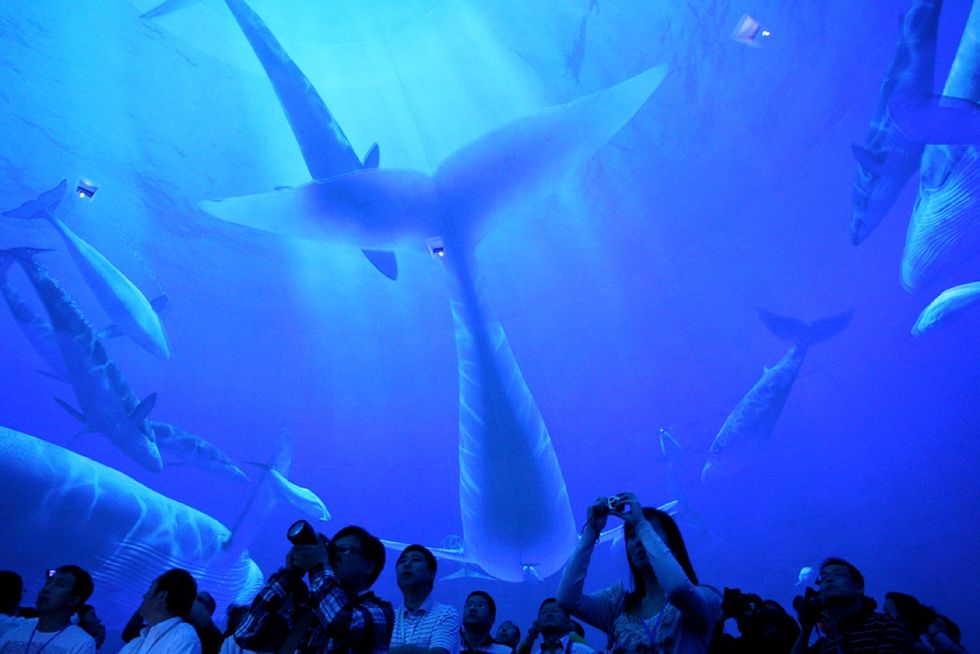
Now anyone can swim with the sharks. A film with a deep-sea exploration theme amazed audiences at the Haichang Backdrop Cinema in Yantai, China. The theater shows films on a 360-degree holographic movie canopy that puts viewers at the center of the action. The fish you could (almost) reach out and touch were the result of 3-D simulation technology combined with an LED lattice and a digital holographic sound system.
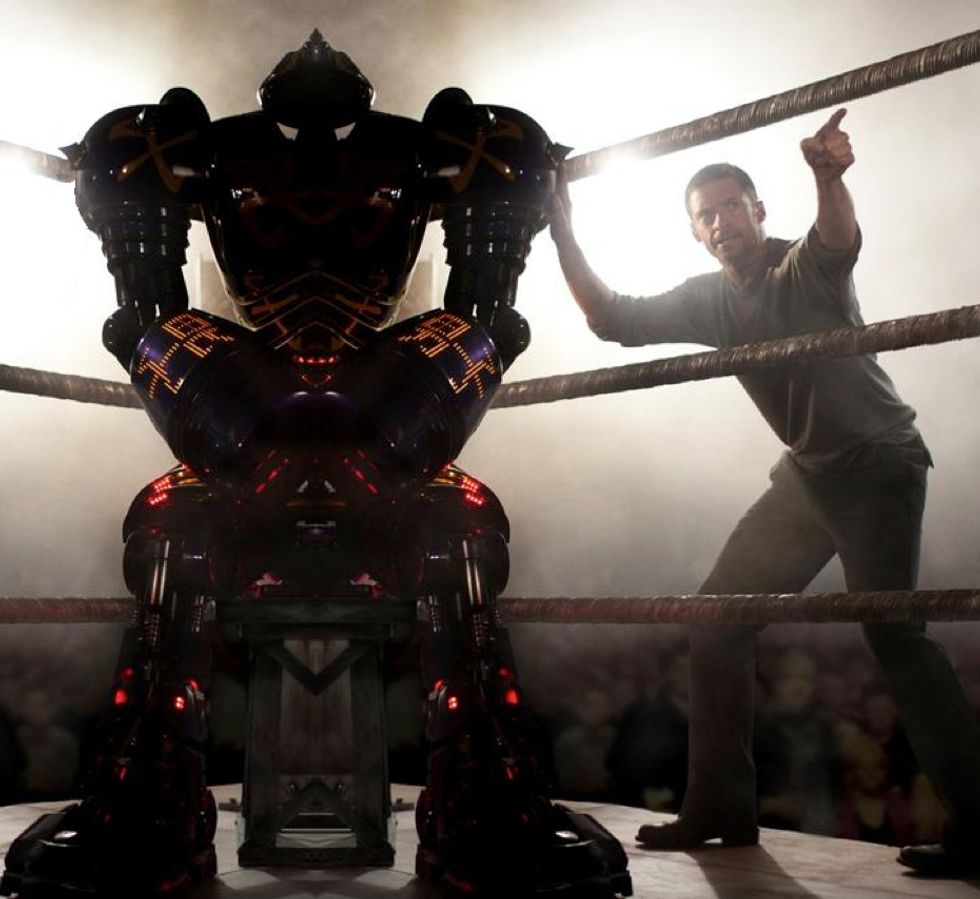
In a scene from the movie Real Steel, actor Hugh Jackman stands ringside, giving last-minute instructions to his fighting robot. Jackman’s character, a former boxer, ends up teaching everything he knows about the “sweet science” to a hulking automaton capable of mimicking his movements and remembering punch combinations.
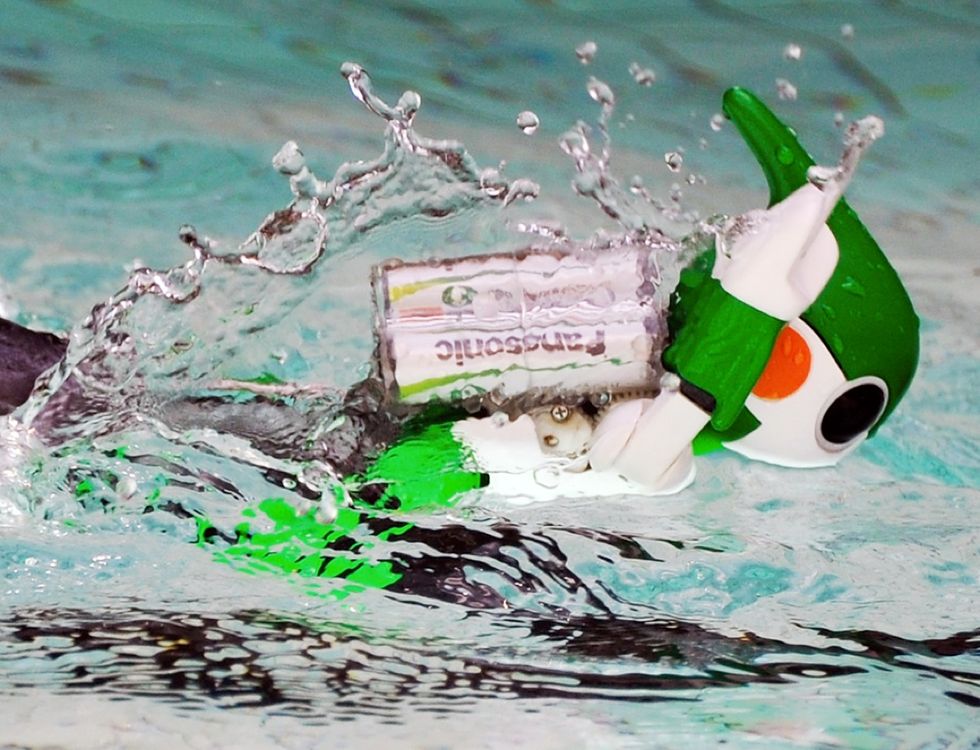
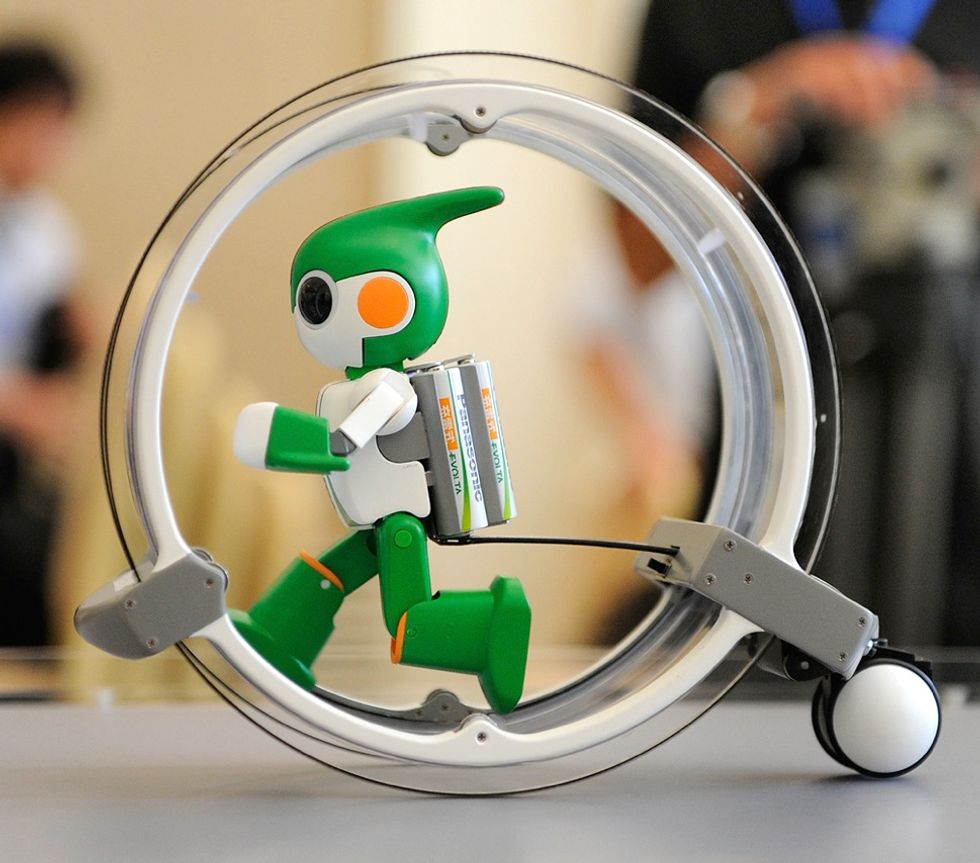
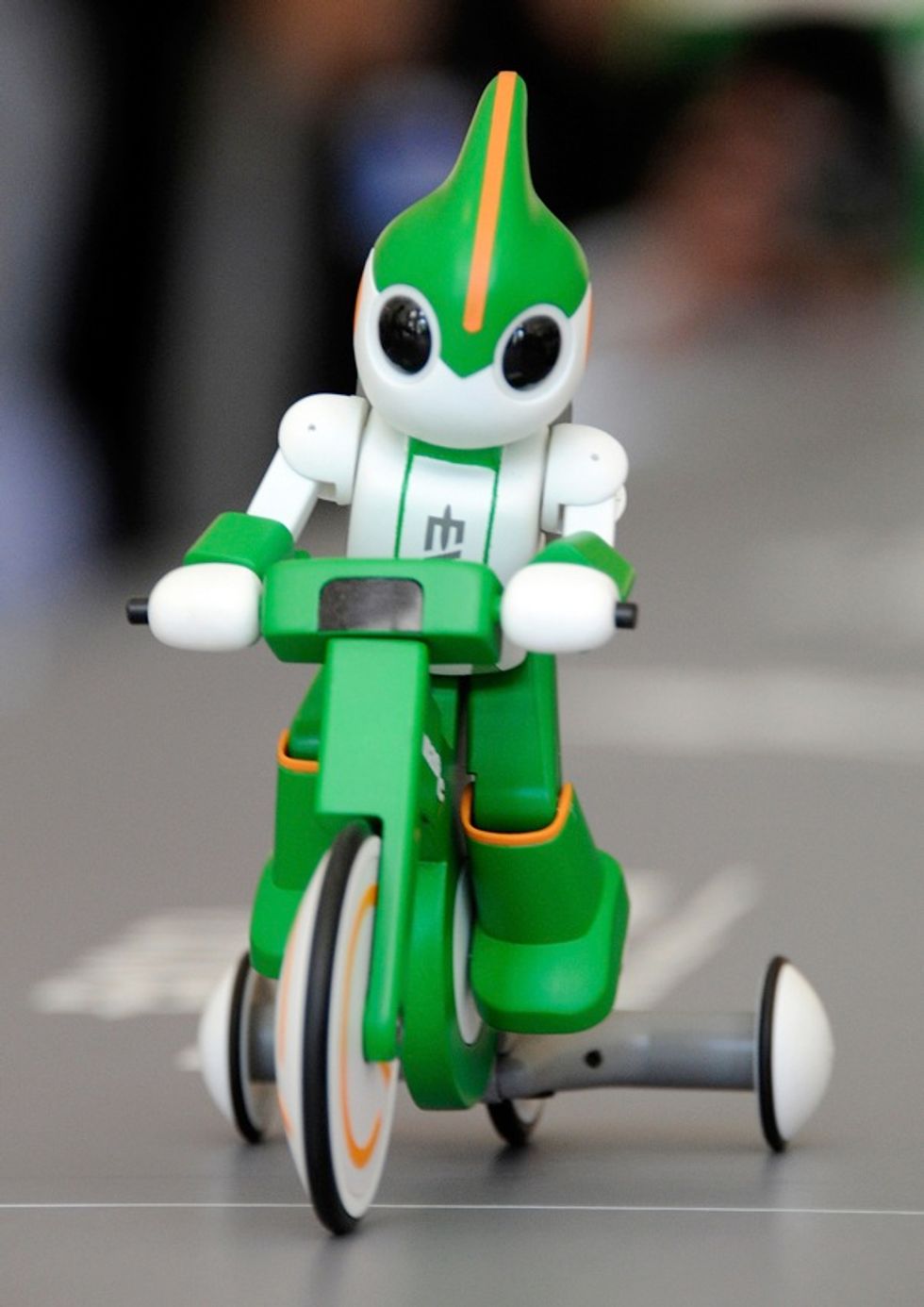
The smallest competitor at this month’s Ironman Triathlon, in Hawaii, is the Panasonic Evolta robot. The 17-centimeter-long robot, powered by two AA batteries, is expected to complete the 3.8-kilometer swim, 180-km bicycle ride, and 42-km run in about a week. (Humans, on average, complete the endurance test in about 8 hours.) The robot is running inside a modified hamster wheel and pedaling a bike with training wheels.
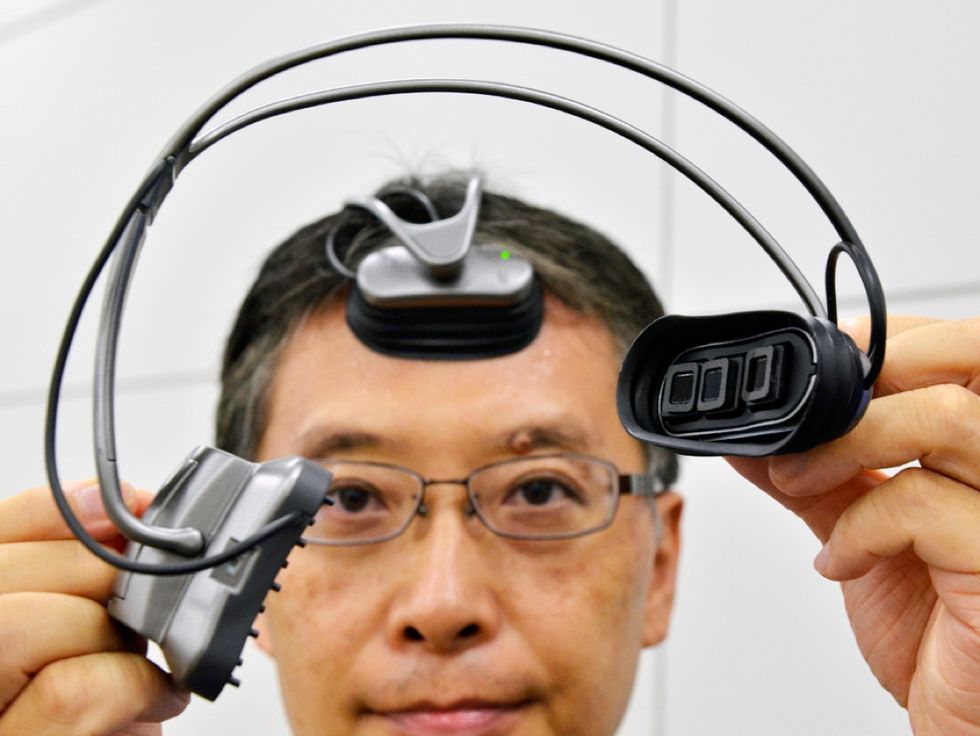
An engineer at Hitachi shows off a portable brain-machine interface that uses an optical sensor to detect changes in blood flow in the prefrontal cortex. Researchers at the electronics firm and at Japan’s Tohoku University developed the neuroimaging device with the aim of giving people the ability to control electronic gadgets with their thoughts. The researchers expect a commercial version to be available within five years.
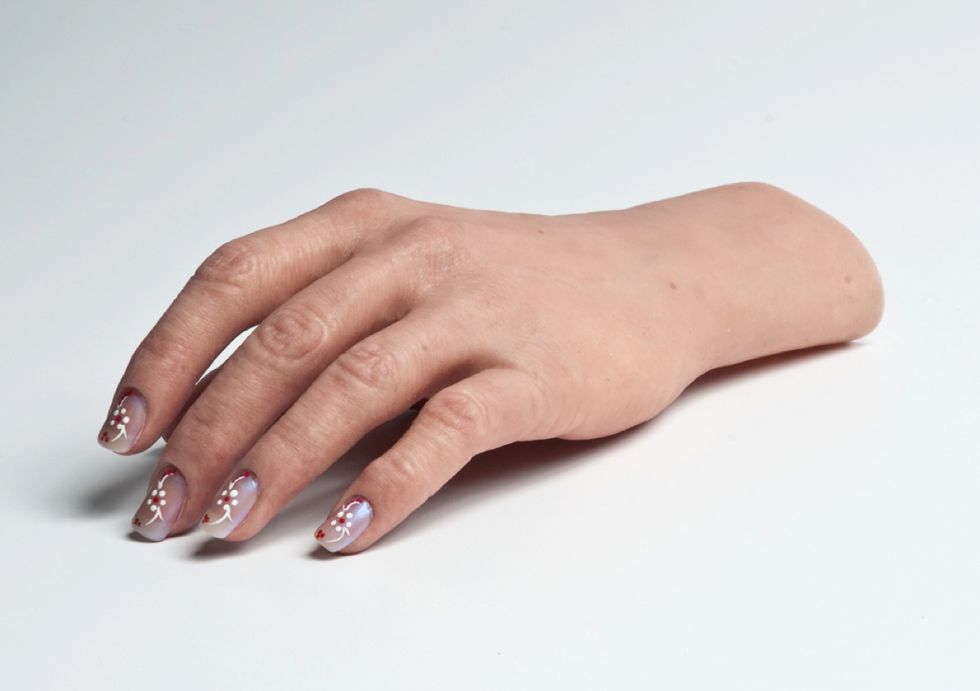
Prostheses have come a long way since the days of metal pincers that drew unwanted attention. This looks like the real thing—right down to the painted fingernails, freckles, and hair. It’s an example of the lifelike limbs turned out by Touch Bionics of Livingstone, Scotland, which uses an imaging system that accurately captures such features as skin tone and wrinkles.
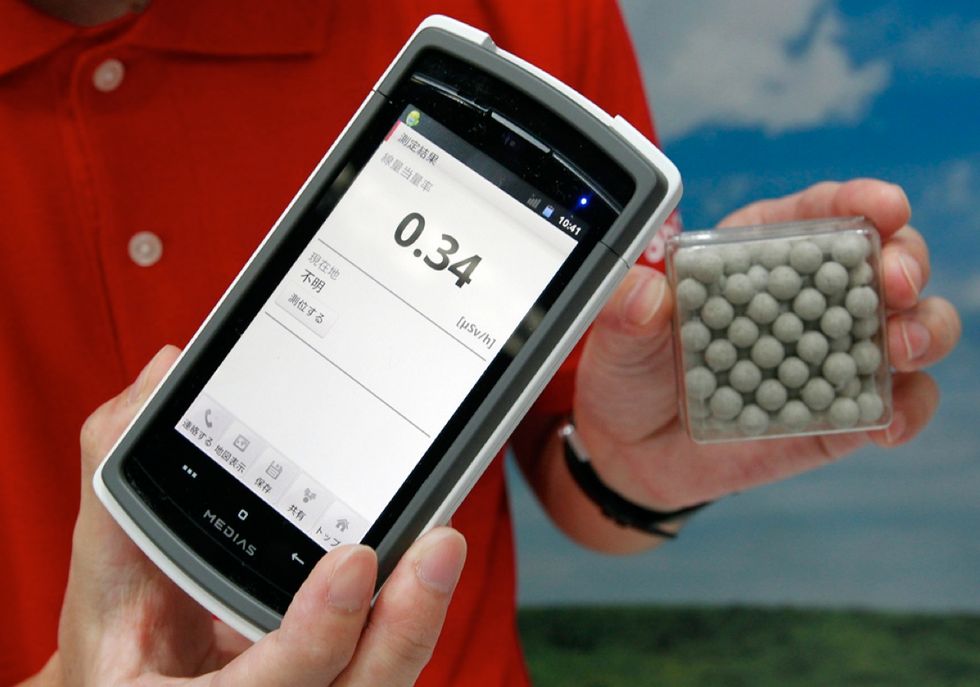
The Fukushima Dai-ichi nuclear plant disaster has led to heightened interest in detecting the presence of radiation. To that end, engineers at NTT DoCoMo have developed a smartphone case called the Sensor Jacket, which turns the handset into a mini Geiger counter. The company unveiled the device at the CEATEC Japan 2011 electronics show but have yet to set a price or date for its commercial introduction.
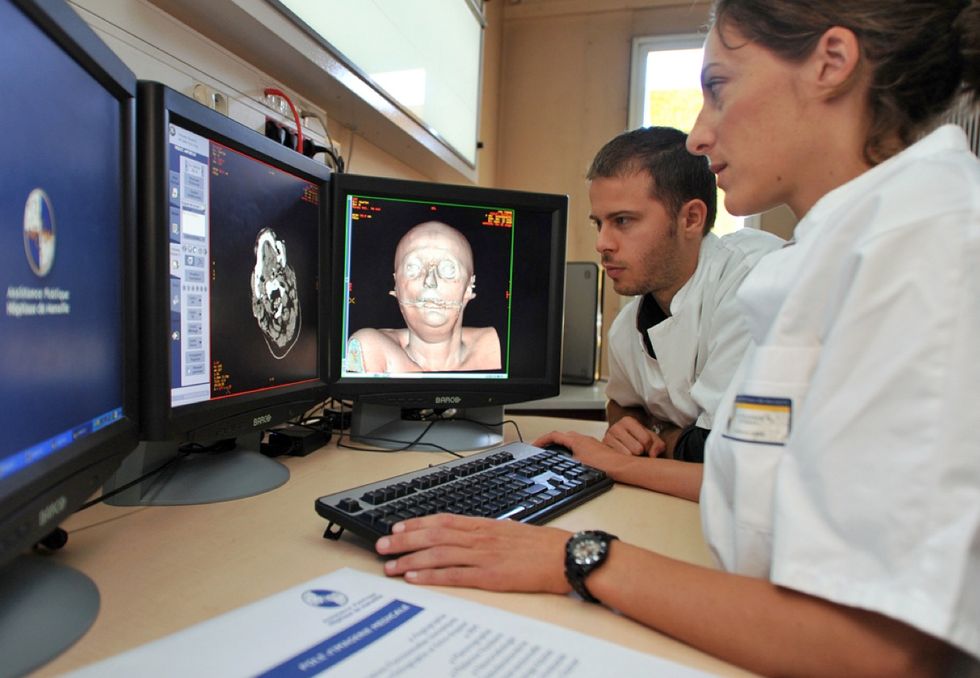
These radiologists at Timone Hospital in Marseille, France, are looking at digital images of a corpse. The scans, obtained using computerized tomography, magnetic resonance imaging, and sonography, will allow pathologists to conduct virtual autopsies from anywhere in the world. The technique makes it possible to noninvasively deduce the cause of death and will also make images used for police investigations more helpful.
If you are viewing this page with an iPad or iPhone, click here to launch the slideshow:
http://spectrum.ieee.org/ns/slideshows/10W_SlideS_iCandy2011_ipad3b/index.html
Comments