iCandy: Extending Humanity's Limits
This month's edition features a device that delivers drugs without the pain of a needle stick, a gadget that can make anything taste like anything else, and an exoskeleton that gives the disabled the ability to walk
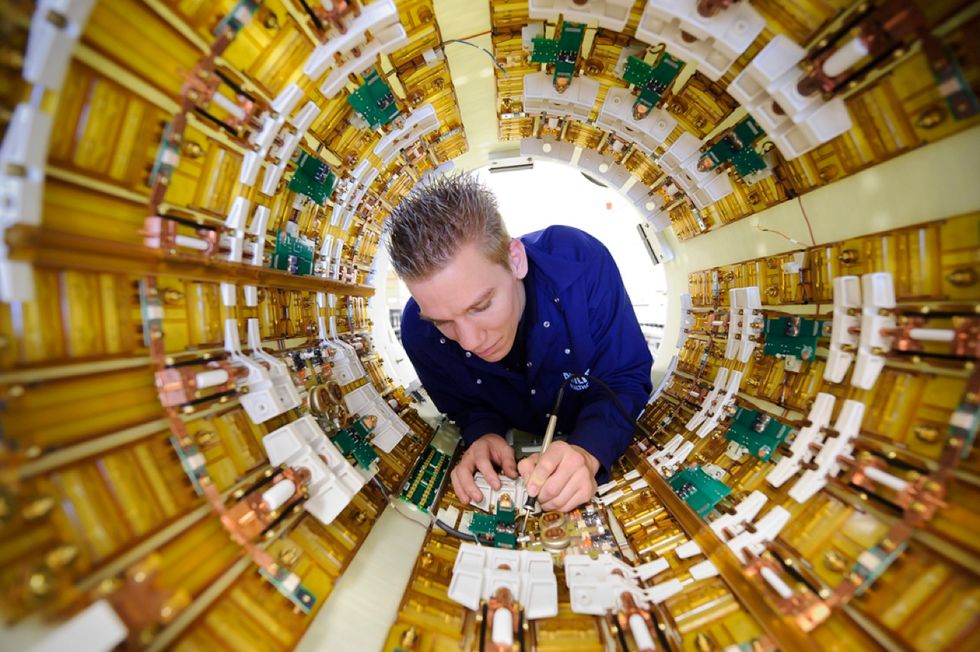
If you’ve ever had an MRI scan, you’ve surely wondered what was going on inside that claustrophobia-inducing tube. Here, an engineer adjusts some of the coils and other electronics that produce the magnetic field and RF energy behind the highly detailed images.
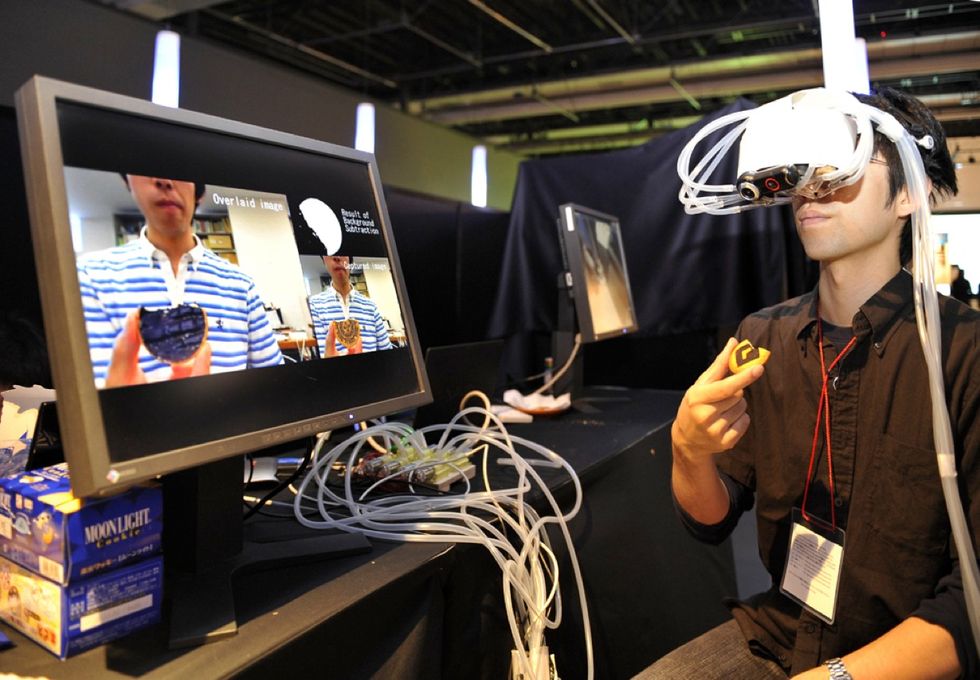
This virtual reality machine, called Meta Cookie, uses a head-mounted display to take advantage of the fact that sight and smell greatly influence our sense of taste. By changing the appearance of a cookie and the scent the subject perceives, the University of Tokyo researchers who made the device can make a vanilla cookie taste like chocolate.
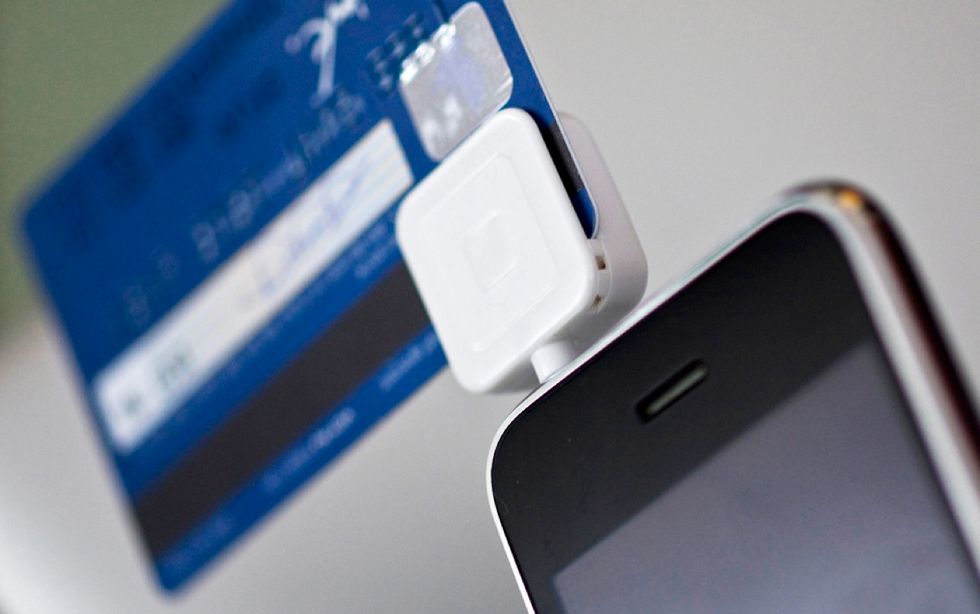
Ever been short on cash at a flea market and wished the vendors could take credit cards? Now just about any mom-and-pop business can. A tiny plug-in device for smartphones made by New York City–based Square can turn any iPhone into a secure credit card scanner.
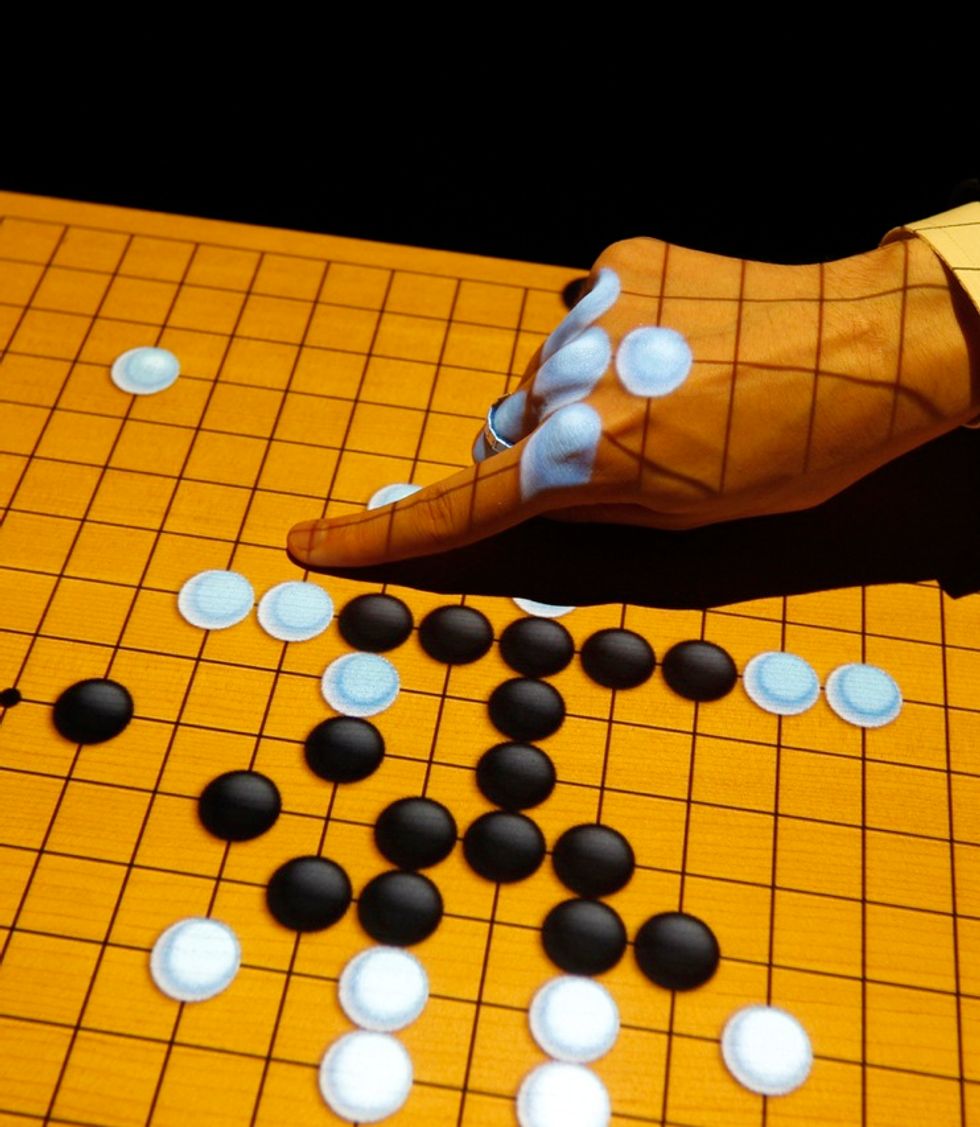
You’ll never have to worry about misplacing a game piece if you play the “mixed-reality” version of Go that was on display at the Digital Contents Expo in Tokyo in October. A motion-sensitive camera focused on a wooden board sends information about the players’ hand movements to a projector. The data is used to update an image of virtual playing pieces that is beamed onto the board’s surface.
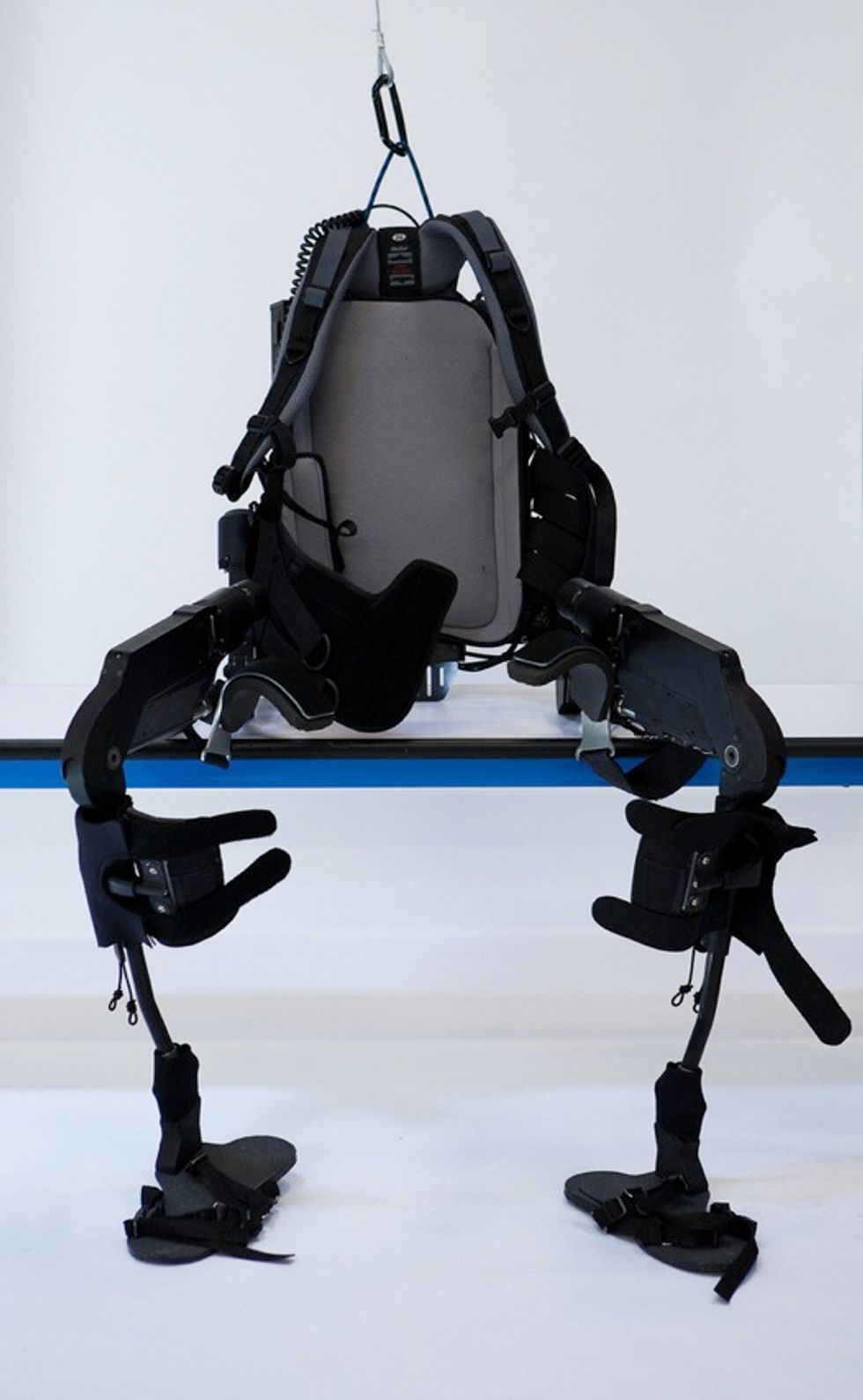
Imagine being able to stand up and walk after years of being confined to a wheelchair. The eLegs exoskeleton from Berkeley Bionics in Berkeley, Calif., will allow a disabled person to strap himself in and take off for a stroll. The battery-powered device responds to the wearer’s gestures and provides the power to get from point A to point B.
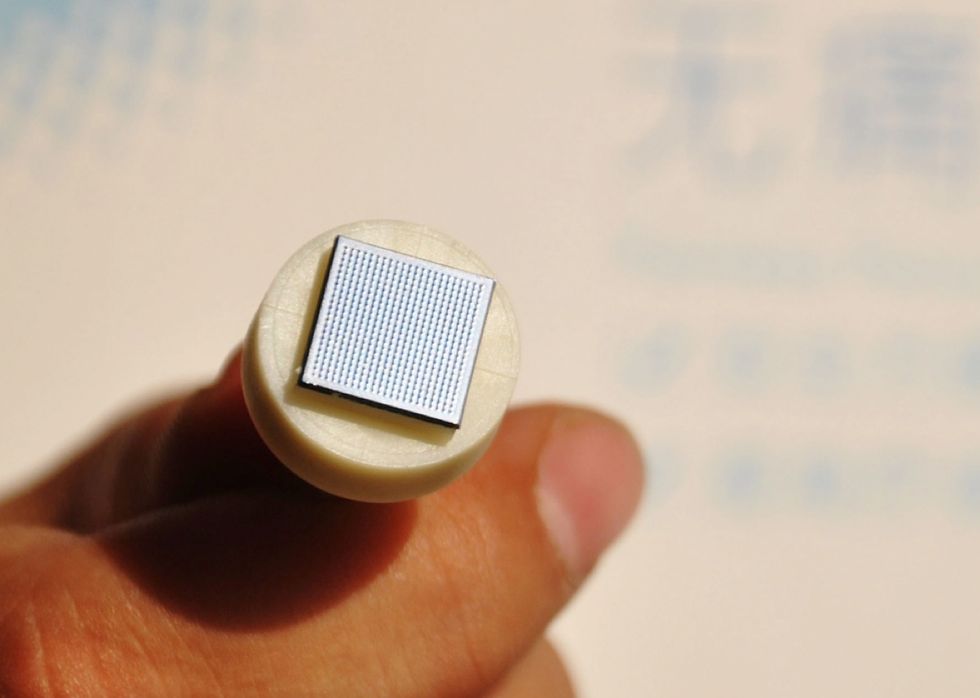
This device, which looks like a stamp, is actually a pain-free replacement for a hypodermic needle, developed by researchers at Suzhou Natong Bionanotechnology in Suzhou, China. The square contains thousands of needle heads, each 80 micrometers thick—wide enough for drugs to pass through and be inserted under the skin but too thin to be detected by the skin’s nerve endings.
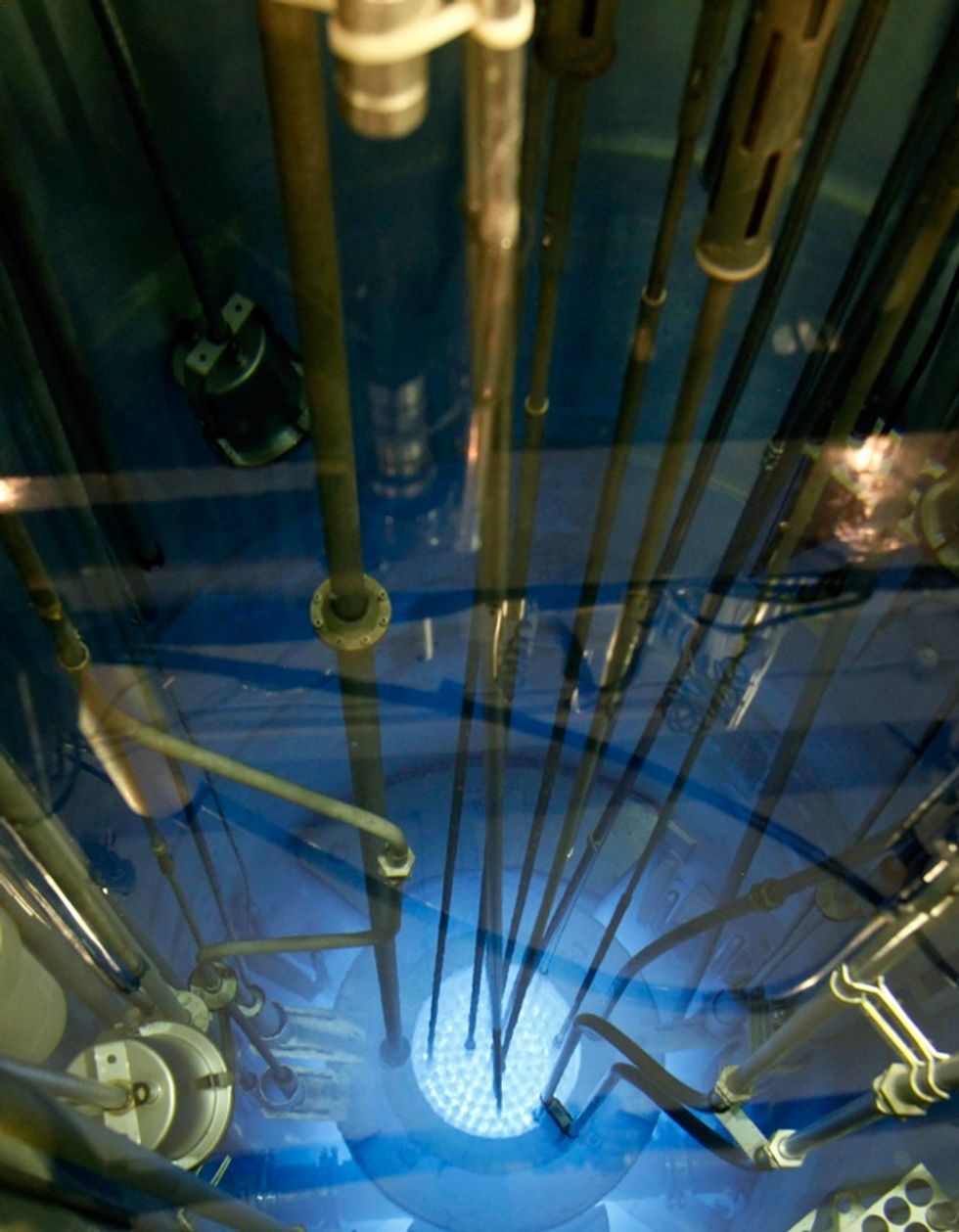
These fuel rods represent the business end of a TRIGA nuclear reactor located at the Italian National Agency for New Technologies, Energy, and Sustainable Economic Development, in Rome. Designed for use by universities and hospitals, TRIGA reactors are considered so safe that they’re regularly installed without containment buildings and serve as the training ground for undergraduate students interested in nuclear physics.
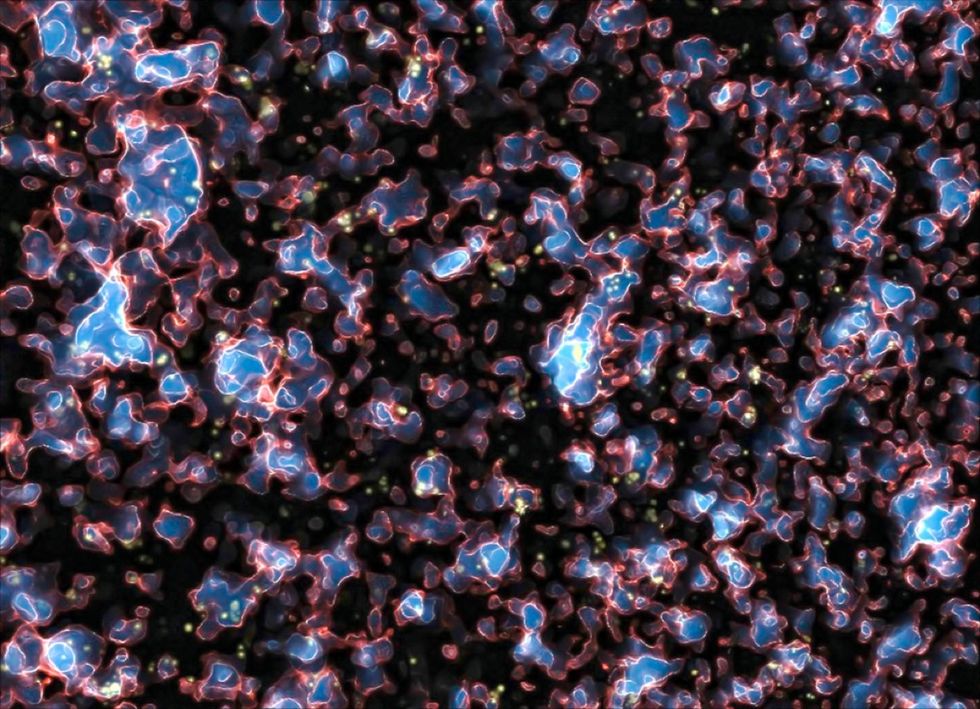
Astronomers at the European Southern Observatory in Chile’s Atacama Desert have snapped an image of the universe during its awkward reionization stage. The universe, then roughly 600 million years old, was filled with a hydrogen fog, which is detectable because it absorbed ultraviolet light from newborn galaxies.
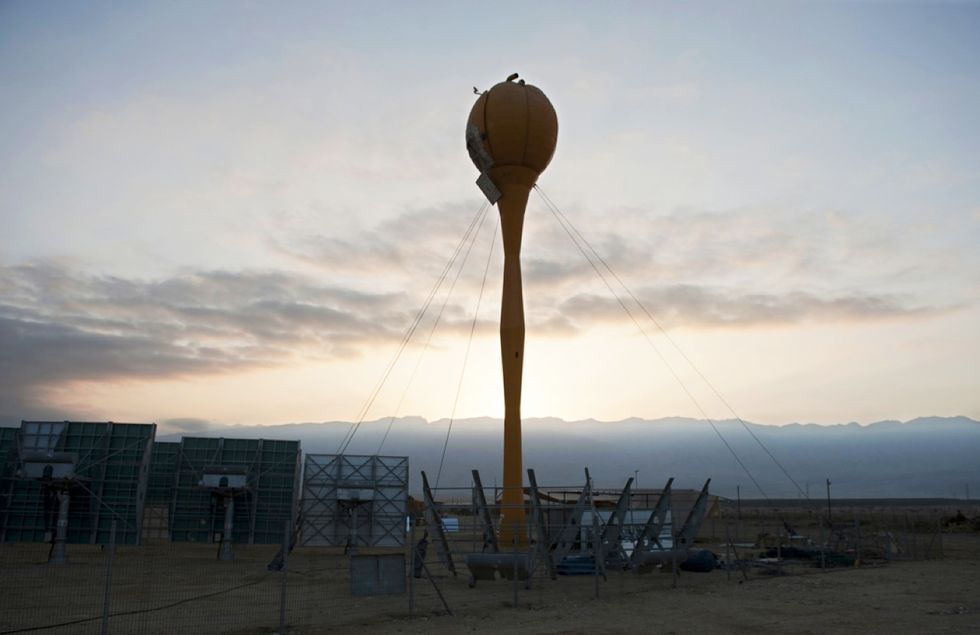
This 30-meter-high solar tower at a kibbutz in Israel’s Negev Desert collects most of its energy from the array of 30 mirrors at its base that follow the sun. The multiple beams raise the temperature of air inside the tower to 1000 ˚C; the air turns a turbine that generates electricity. At night, the turbine is powered by biofuel.
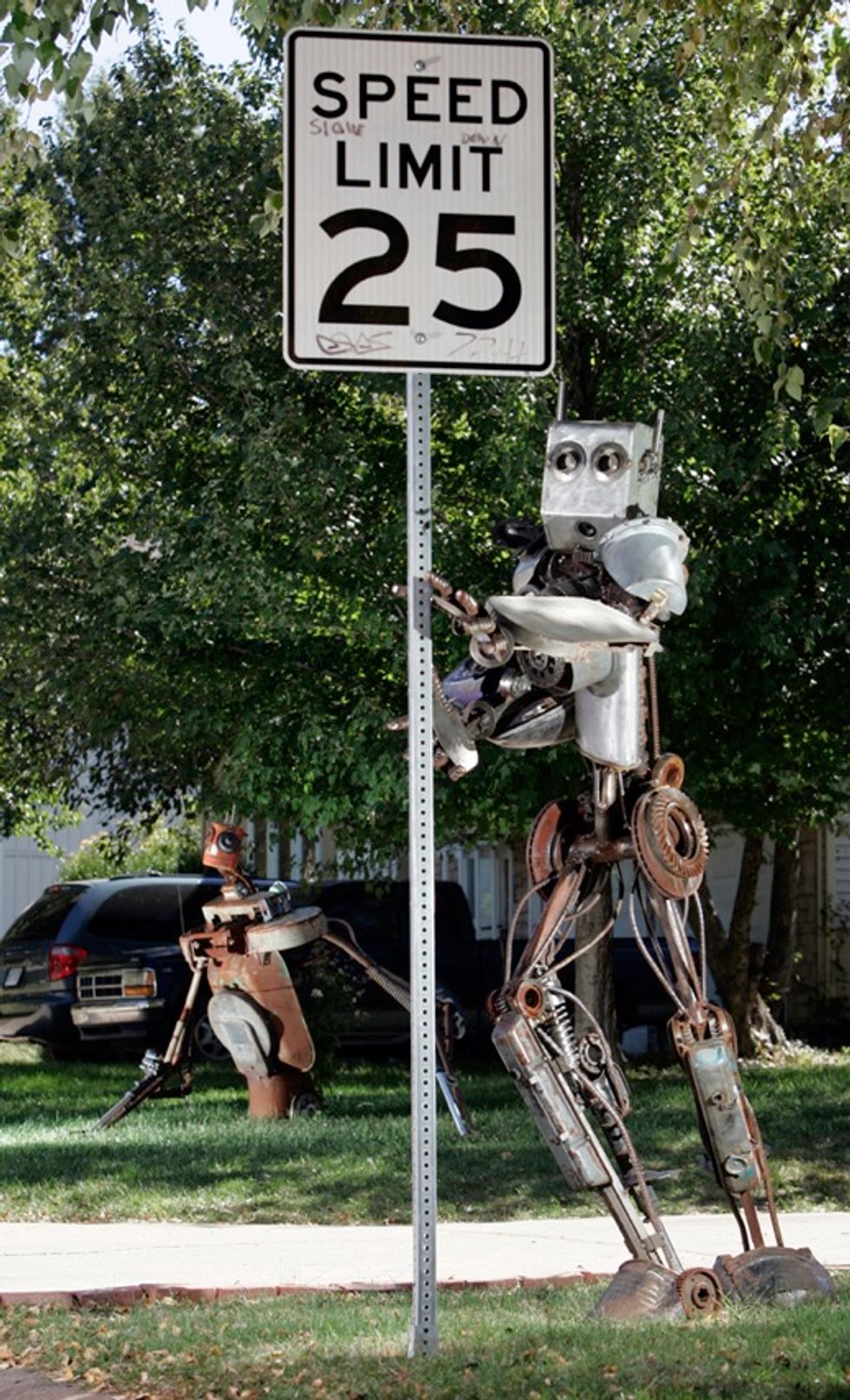
It’s probably more accurate to call the humanoid posing by this traffic sign a sculpture instead of a robot because it doesn’t move on its own. Its creator, a self-trained artist with no engineering background, made the 2.1-meter-tall, 360-kilogram eye-catcher from parts scavenged from his Kansas City, Mo., hometown.
Comments