Yesterday's Failed Ideas Are Today's Great Inventions
A look back at when today's technologies were way ahead of their time
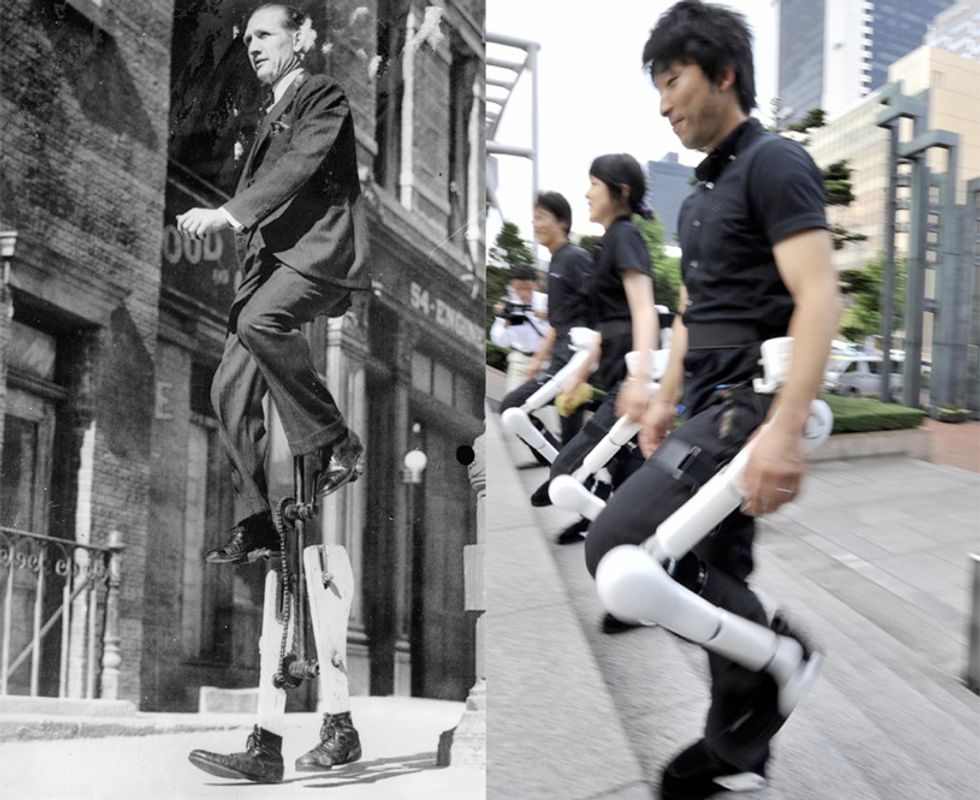
Pedal-powered stilts were a whim back in 1930; today, mechanical legs from the Japanese company Cyberdyne help disabled or elderly people walk.
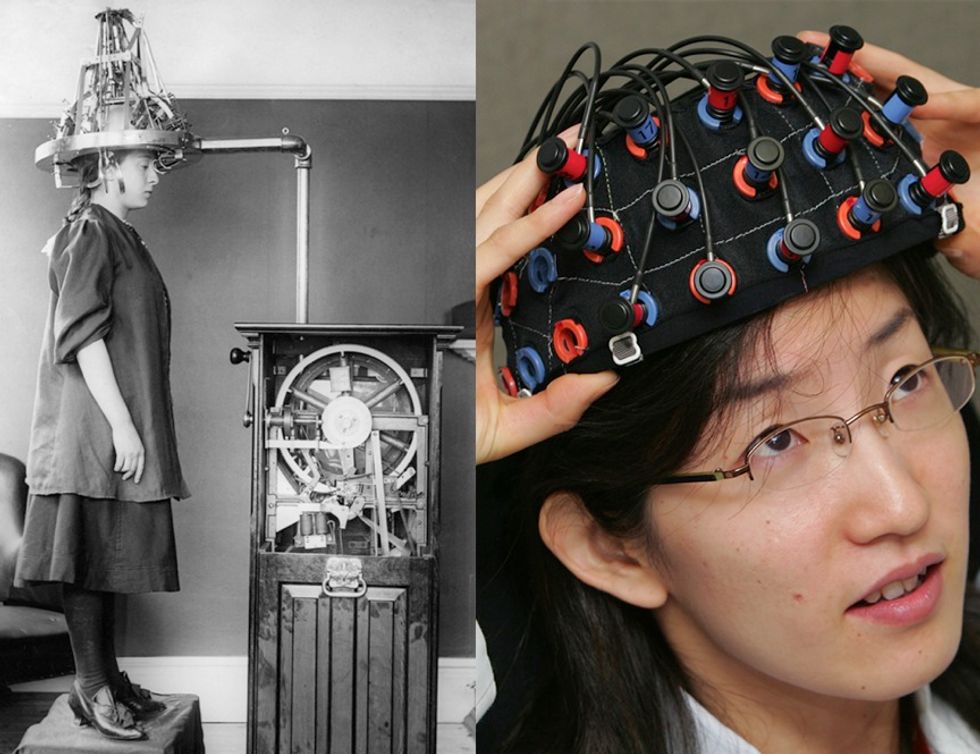
The “Phrenometer” brain-wave detector dates to 1907. Now Japanese companies are developing less immobilizing versions to provide alternative controls for video games.
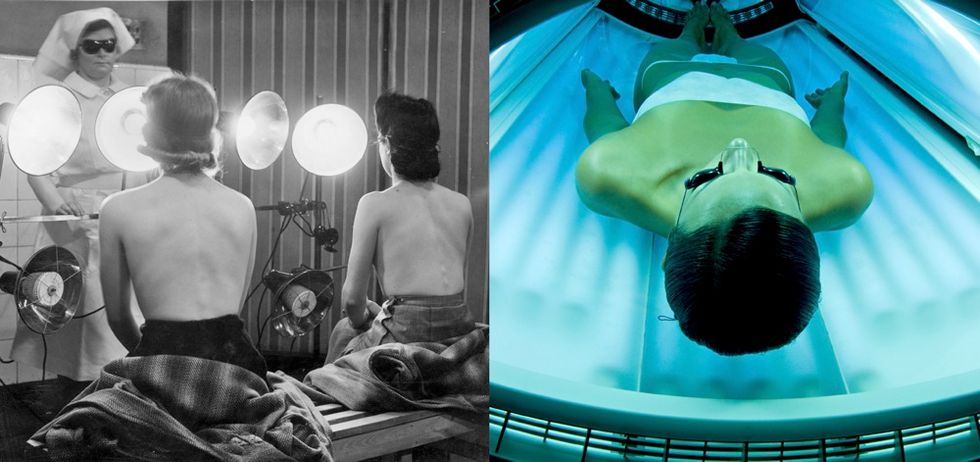
Wintertime tanning under UV light was tried in the 1940s but remained very rare for many years after that. Now tanning is a huge commercial business, with tens of thousands of often-compulsive customers.
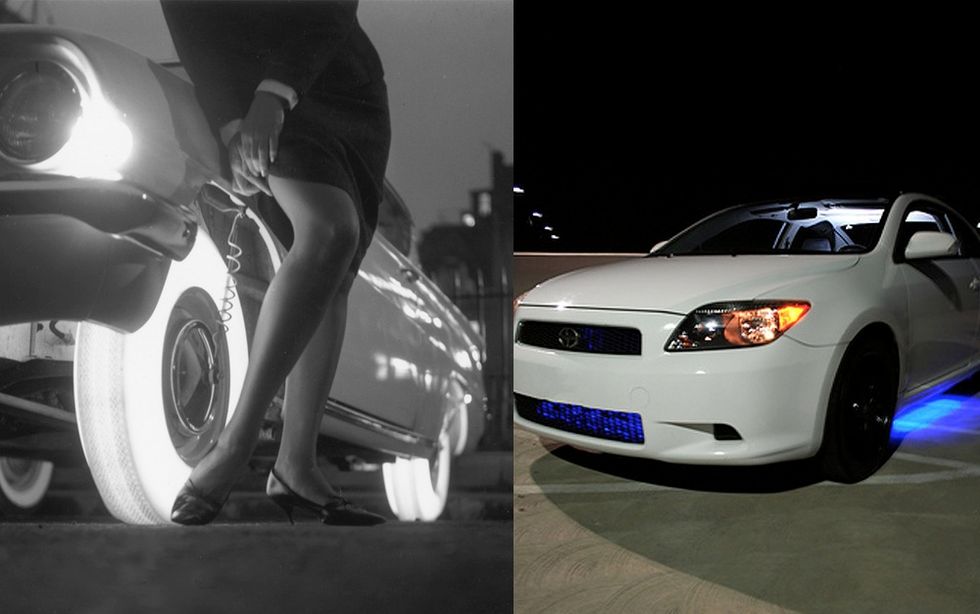
In 1961, Goodyear Tire & Rubber Co. lit up tires with rear-mounted incandescent bulbs, which was rather impractical. Now we have tiny, long-lasting LEDs, and lights are appearing throughout today’s cars, both inside and out.
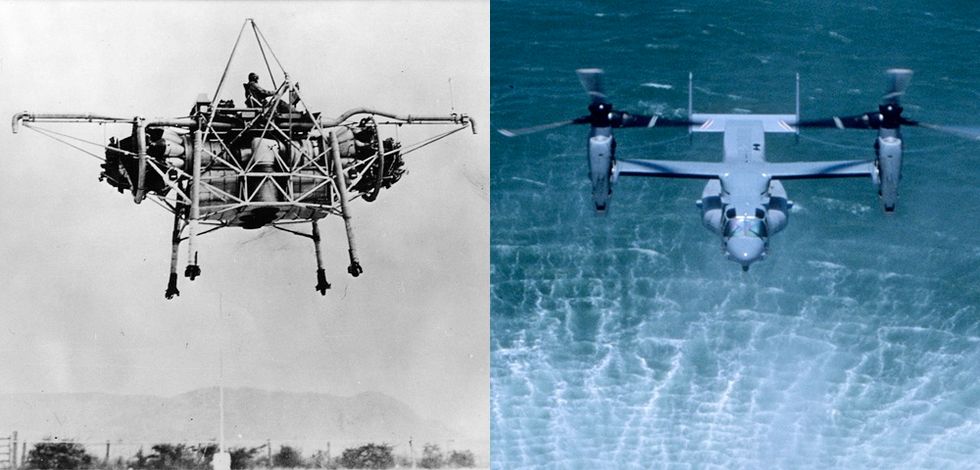
This 1954 vertical-takeoff craft, dubbed the Flying Bedstead, is a forerunner of the U.S. Marine Corps Osprey, here seen in an Air Force modification. The aircraft lifts off like a helicopter, then flies like a plane.
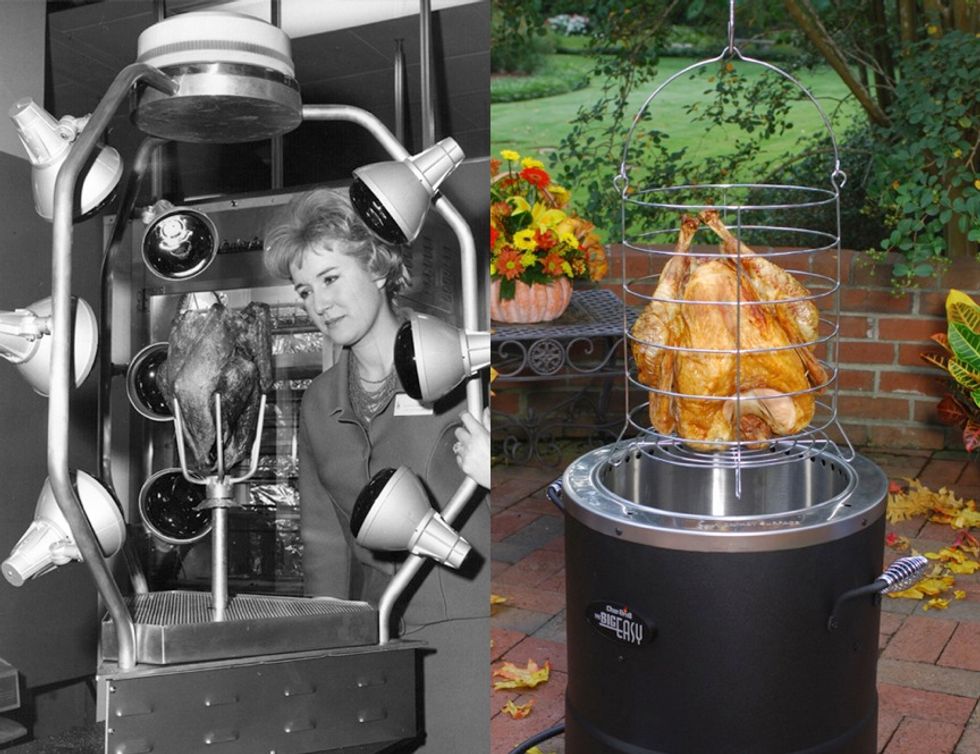
Infrared light was used to cook a turkey at a 1966 U.S. exhibition in London; now it’s in a product from Char-Broil, which claims to provide a deep-fried taste without adding a drop of oil.
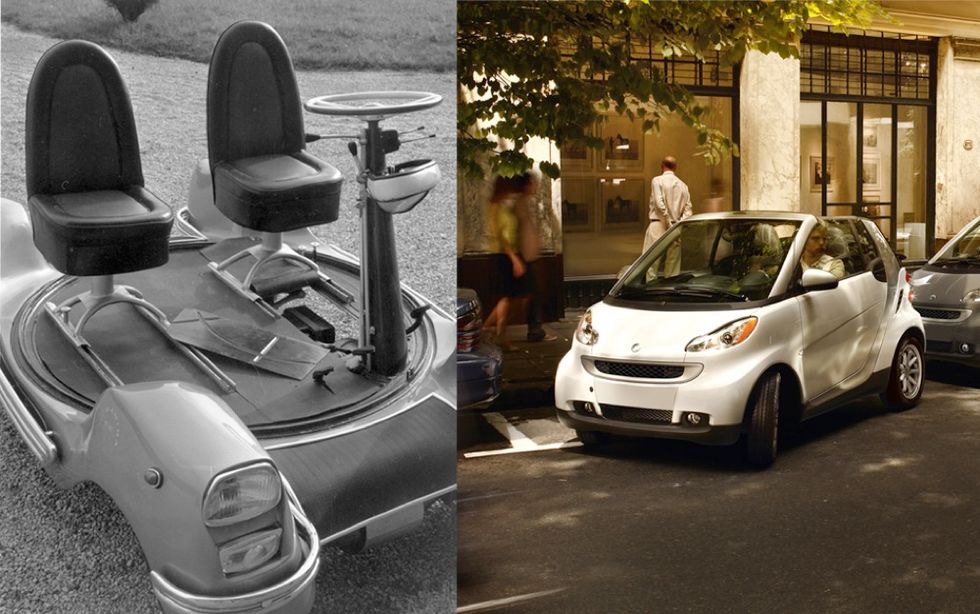
The Urbania—a seat-rotating Italian automotive novelty—was the smallest functioning car in 1964. Its soul lives on in the Smart car.
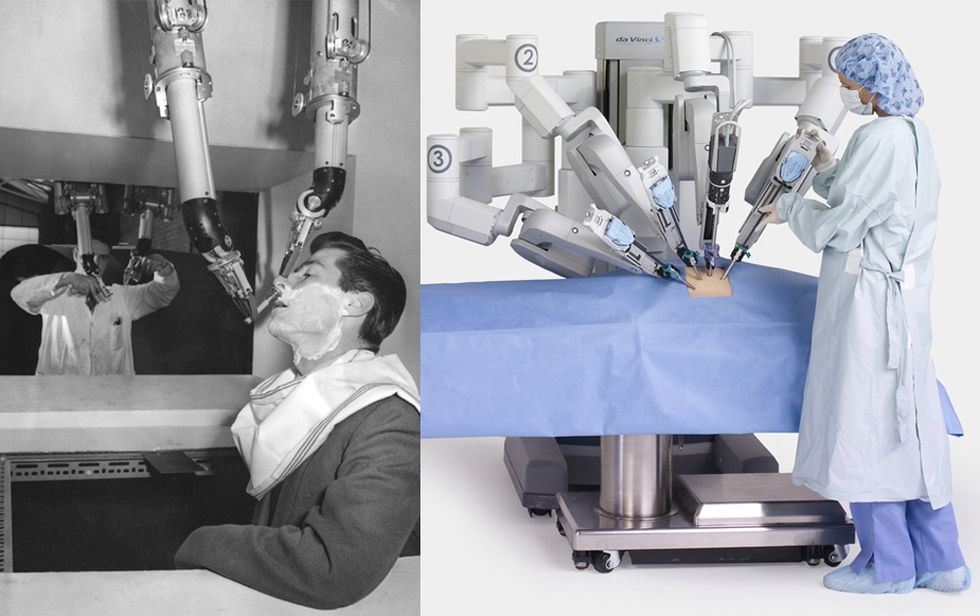
A pair of remote-controlled robotic hands, used for handling dangerous substances, was also sensitive enough to shave a man back in 1959. Now the concept has been applied to surgery in the da Vinci Surgical System.
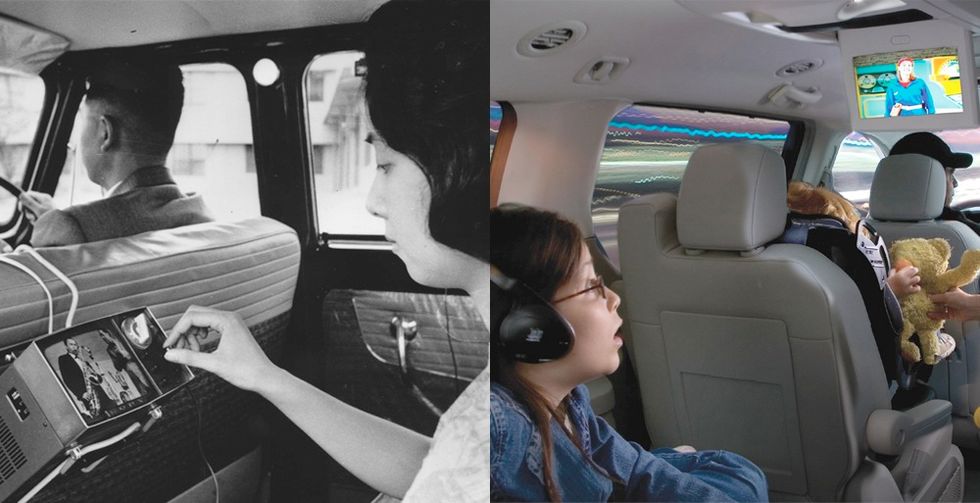
Sony’s original car TV debuted in 1963; now a potpourri of channels on satellite TV can mesmerize nearly any kid, saving parents a lot of trouble.
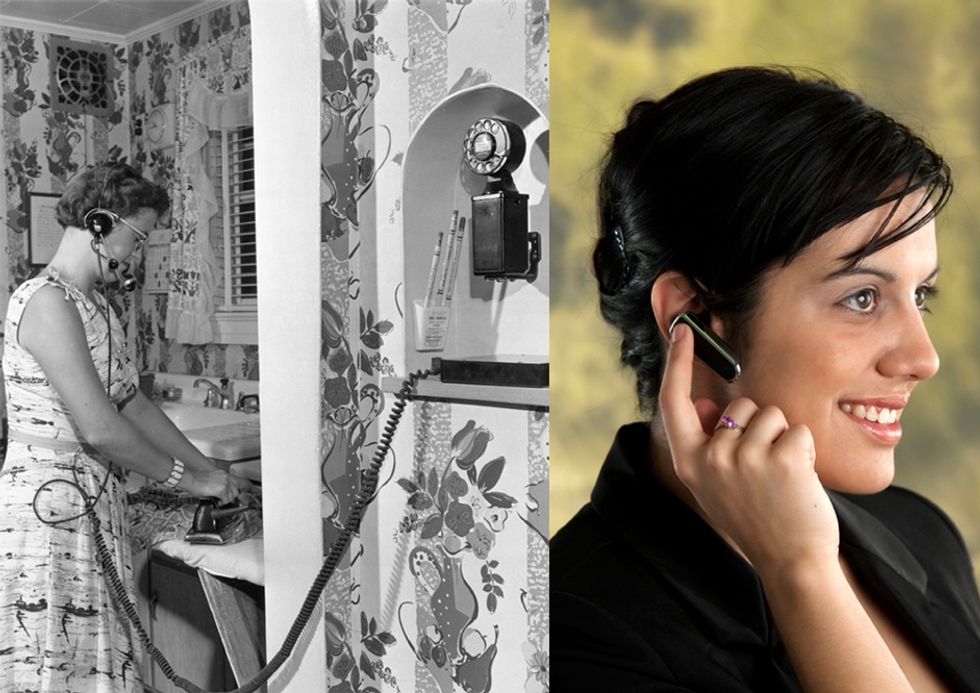
A wired hands-free phone headset in 1950 still kept you tethered to the wall, but today we’re all wireless and hands-free.
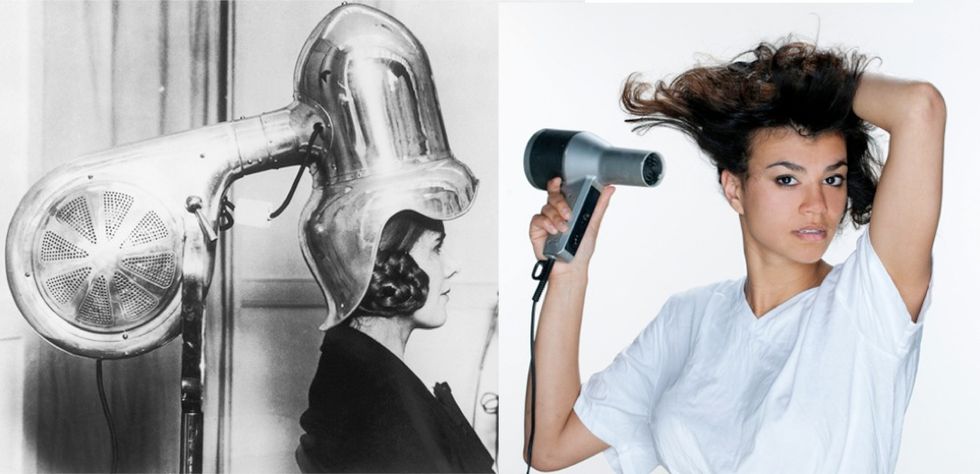
In 1928, a woman dried her hair with a big, intimidating contraption; now she can use a handheld device.
When a new idea comes along, people often don’t know what to make of it. That's why so many inventions begin as light diversions and reach the development stage only much later, when applications finally suggest themselves. In this view, though necessity is still the mother of invention, whimsy is just as assuredly its father.
Comments