iCandy: March 2010
IEEE Spectrum's monthly slideshow proves that a picture is worth a thousand bytes
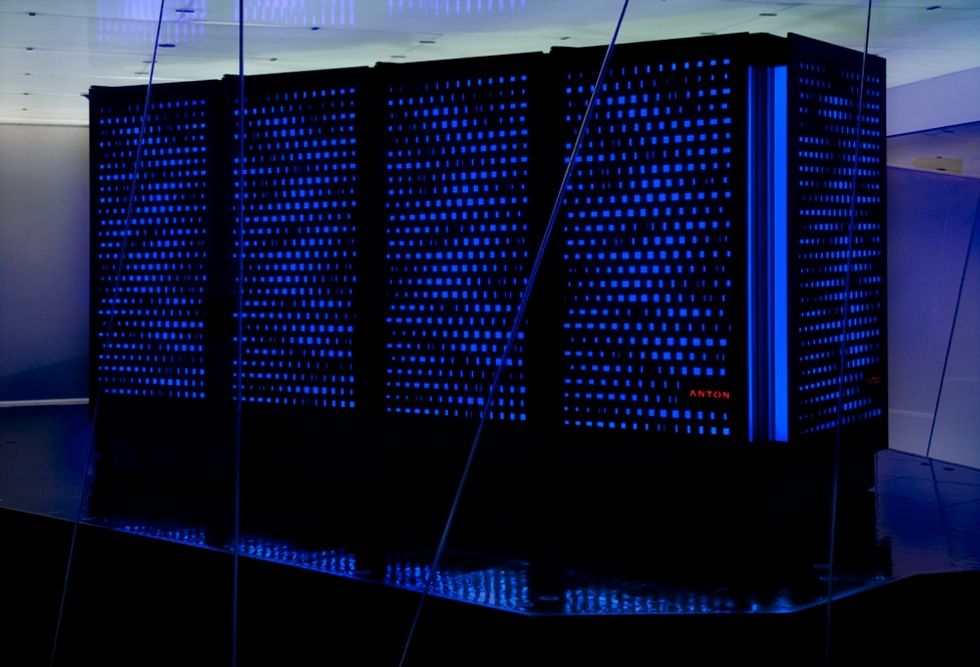
Anton, a supercomputer created by D.E. Shaw Research, in New York City, does simulations of the functions of proteins and other biological material. To get a sense of the complexity of Anton’s tasks, note that its 512 application-specific ICs (each containing 64 processors running at either 400 or 800 megahertz) can still simulate only 10 microseconds of molecular behavior each day.
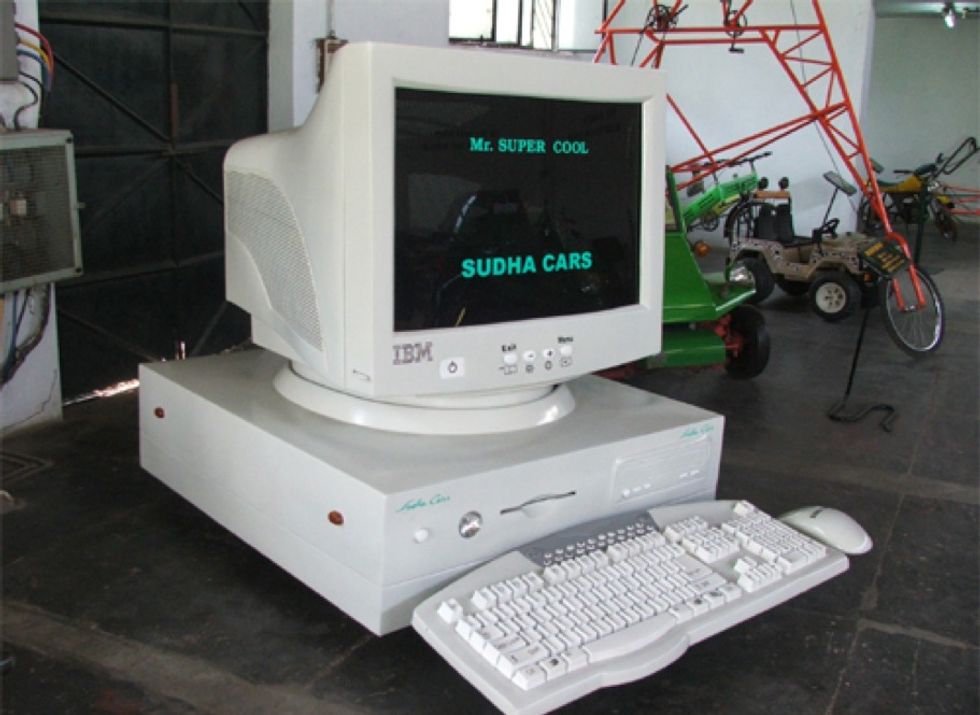
The speed of the computer seen here is measured not in gigahertz but in kilometers per hour. The device is actually a working car created by hobbyist Kanyaboyina Sudhakar in his workshop in Hyderabad, India. The vehicle is the latest in a long line of Sudha Cars, including a model resembling a giant cricket bat and one in the form of a cigarette.
This man isn’t exasperated at a long commute to work. He’s simply adjusting the volume on his MP3 player. The earphones he’s wearing, made by NTT DoCoMo, are studded with electrodes that pick up tiny voltage changes that occur whenever he moves his eyes. The earphones interpret these changes as signals to, say, scroll forward through songs or stop playback.
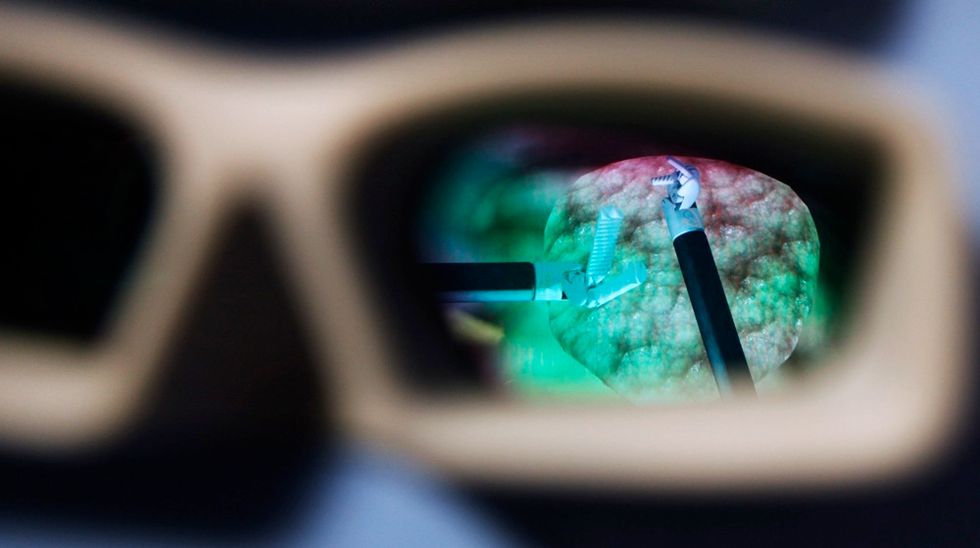
You’re seeing through the eyes of a surgeon looking at a human bladder invaded by an unidentified growth. But there’s no worry about whether the patient will make it. The scalpel and the tissue from which the growth is being pulled are virtual, generated by the Robotic Surgical Simulator at the Roswell Park Cancer Institute, in Buffalo, N.Y. The system is being called a “flight simulator for surgeons.”
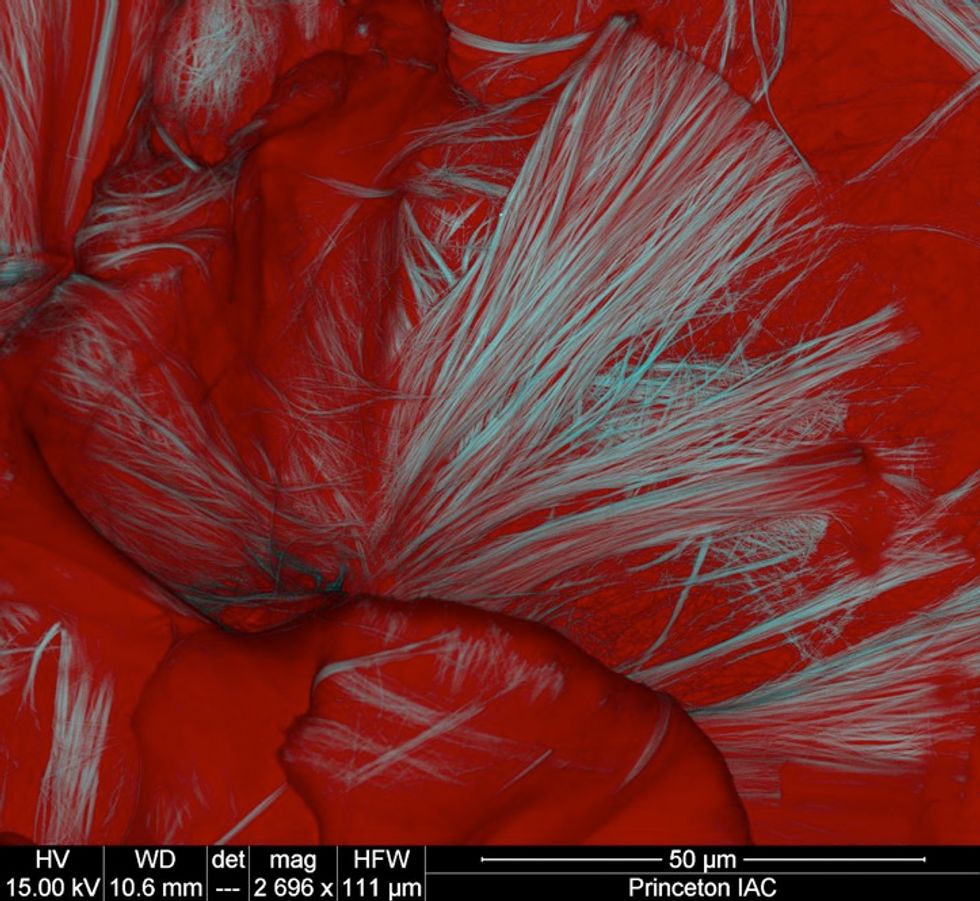
Appreciation of art—or at least the romantic notion of it—is based on loving something for its own sake rather than its utility. But the subject of this abstract piece—nickel nanowires set in a polymer matrix and magnified 2696 times—is actually functional. The image was one of hundreds of submissions to a monthly imagery contest accessible via Facebook and Flickr.
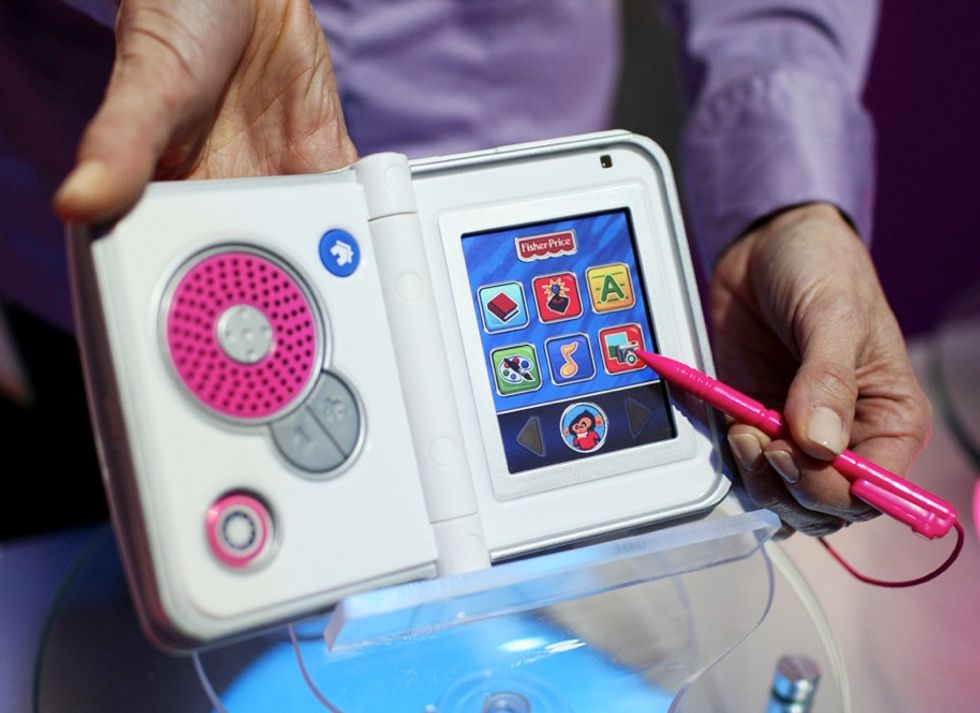
First Barbie goes back to school and earns an engineering degree. Now Fisher-Price, the toy maker that has for decades made cognitive development fun, has introduced its take on the tablet computer. The device, called the iXL, has an SD card slot, a USB port, and a stylus for pressing its touch screen. The iXL, which plays games and music, will sell for US $80.
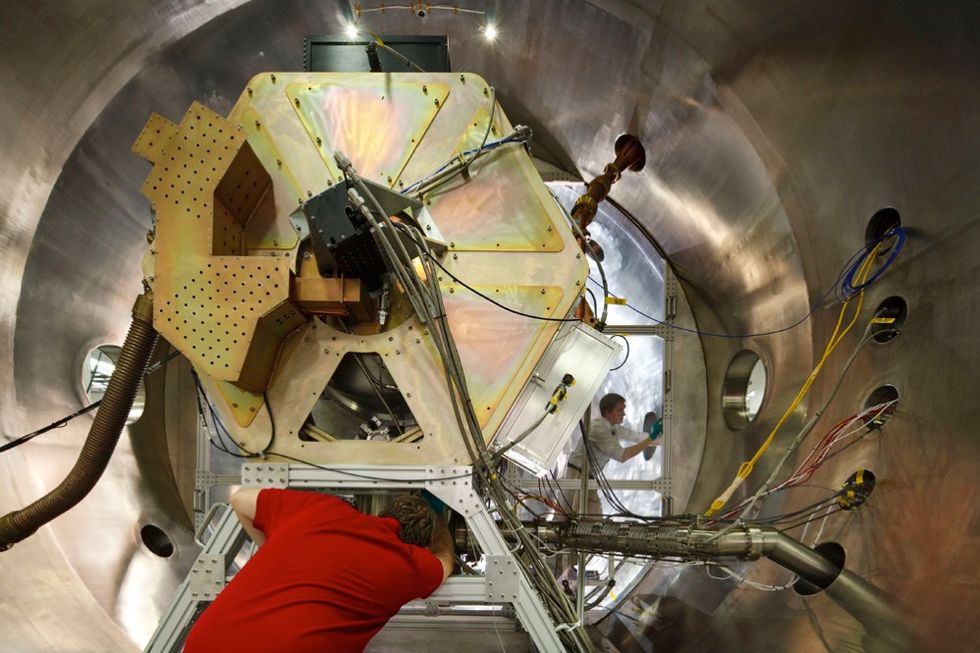
The people in this image are actual rocket scientists making preparations to test the Ad Astra Rocket Co.'s VASIMR rocket engine inside a vacuum chamber. VASIMR is part of a class of rockets that use electromagnetic waves to turn gas into plasma propellant. The amount of thrust can be adjusted to suit the requirements of a particular mission.
What do you get when you cross a desktop computer and an abacus? Jiangxi Bamboo Technology Development Co.’s bamboo keyboard, mouse, and monitor. These peripherals are hugely popular in China and are gaining market share in the United States and Europe because bamboo is an environmentally friendly alternative to the plastic from which these devices are usually made.
Comments