
To determine the ebb and flow of city dwellers, public officials have typically resorted to looking around and counting. But now censuses can be taken every few milliseconds, as phones ping cellular networks and reveal their location.
For instance, Italian [PDF] and American [PDF] researchers generated usage maps for Milan and the borough of Manhattan in New York City using anonymized cellular data. Paolo Tagliolato, a postdoc at the Polytechnic University of Milan, says such anonymized data are effectively free and always up to date. Conversely, he says, Milan’s last comparable citywide survey was costly, involved 750 000 interviews, and hasn’t been updated since 2002.
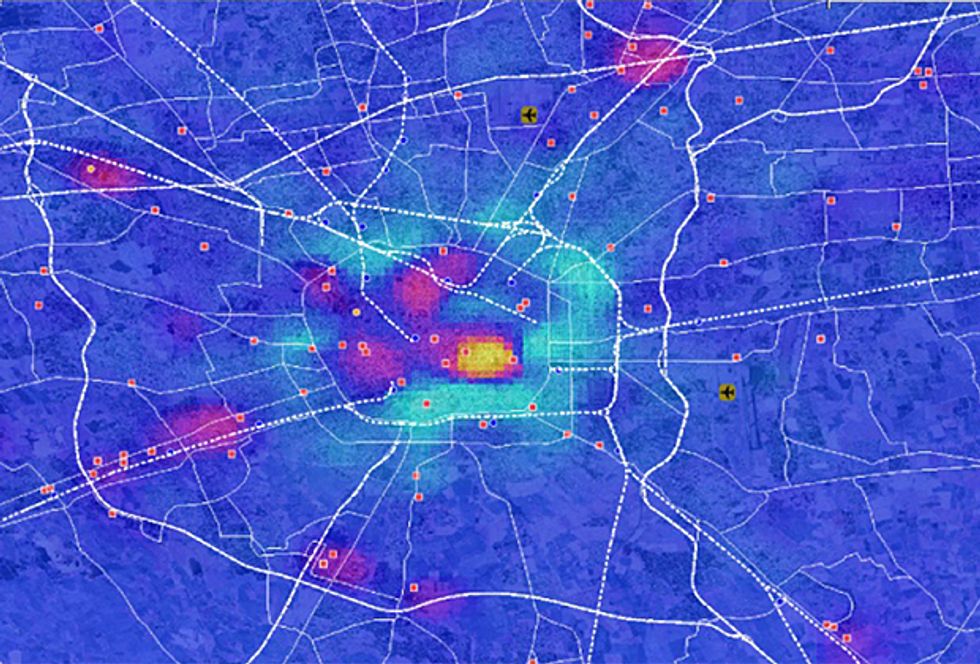 Between 10 a.m. and 8 p.m. on Saturdays, shopping and leisure activities in Milan’s city center dominate. Sites like museums on the outskirts also show up.
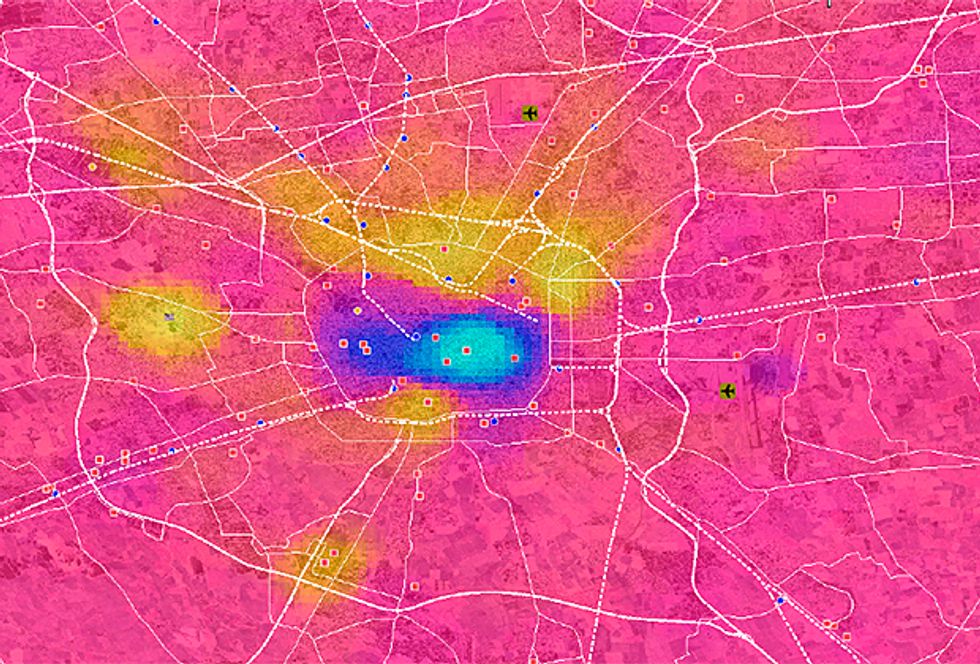 From 8 p.m. to midnight on Saturday, patterns shift, as people congregate in the residential areas that ring the center (background activity has more pink due to a different color scale).
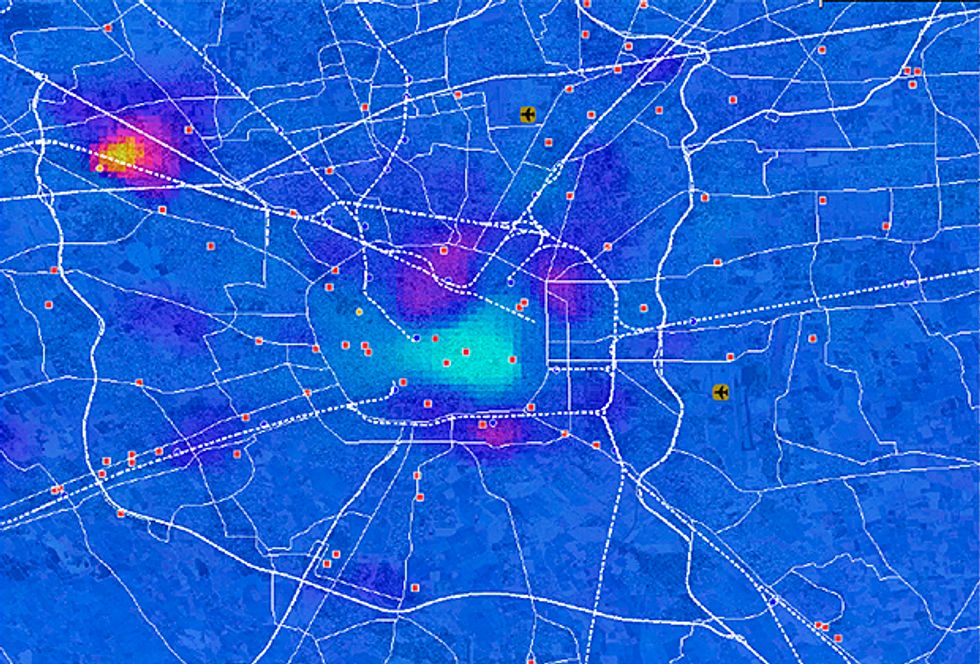 This data, captured between midnight and 8 a.m. during the 2009 Milan Design Week, reveal overnight activity northwest of the city in preparation for daily events.
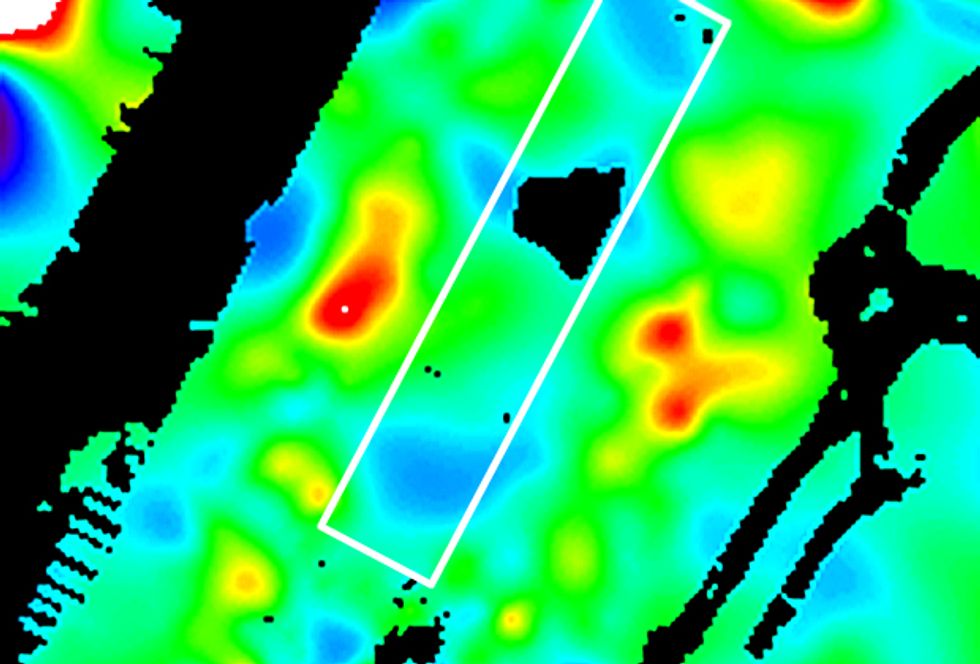 Usage data captured on a Saturday afternoon in February 2011 show high calling activity from the wealthy residential areas bordering New York City’s Central Park.
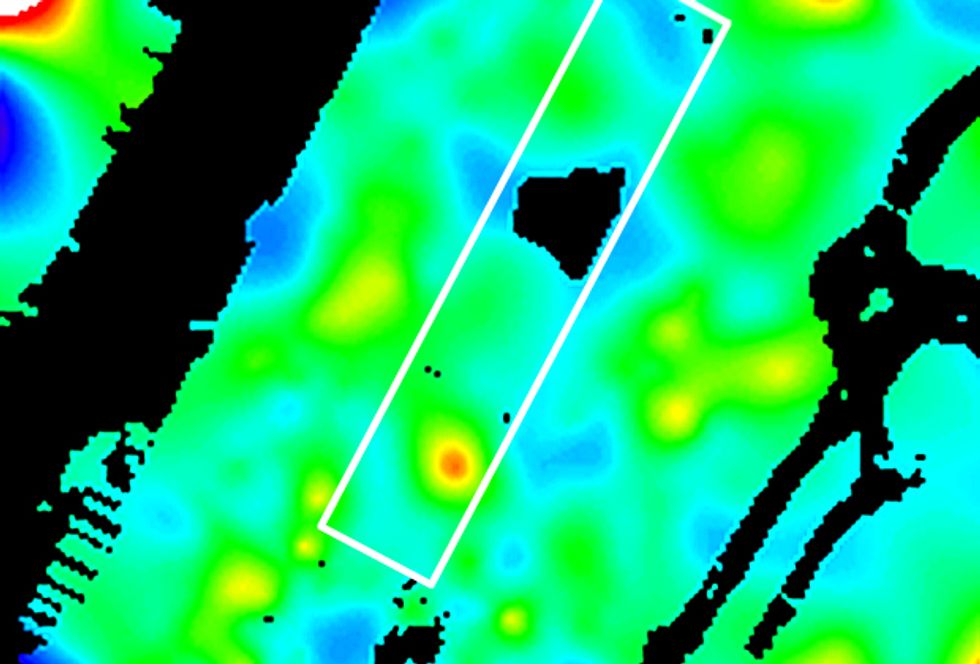 A Saturday afternoon the following July reveals a different pattern, with cellphone activity shifting to the southern end of Central Park.
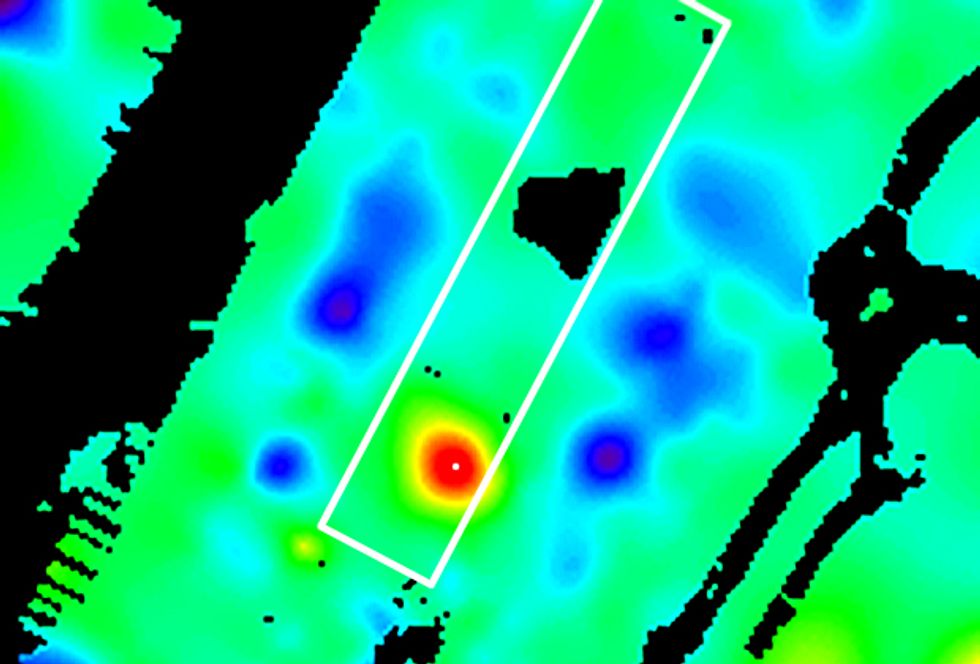 Subtracting the winter map from the summer map reveals the calling pattern more clearly, as wealthier residents leave the city during summer weekends and those who remain flock to the park.
This article originally appeared in print as “Ten Million Censuses Per Day.”


