iCandy September 2010: A Vehicle You Don't Need to Fill Up or Steer
This month's iCandy includes an autonomous solar-powered truck, a 3-D TV, and a device that might reveal the secret identity of dark matter
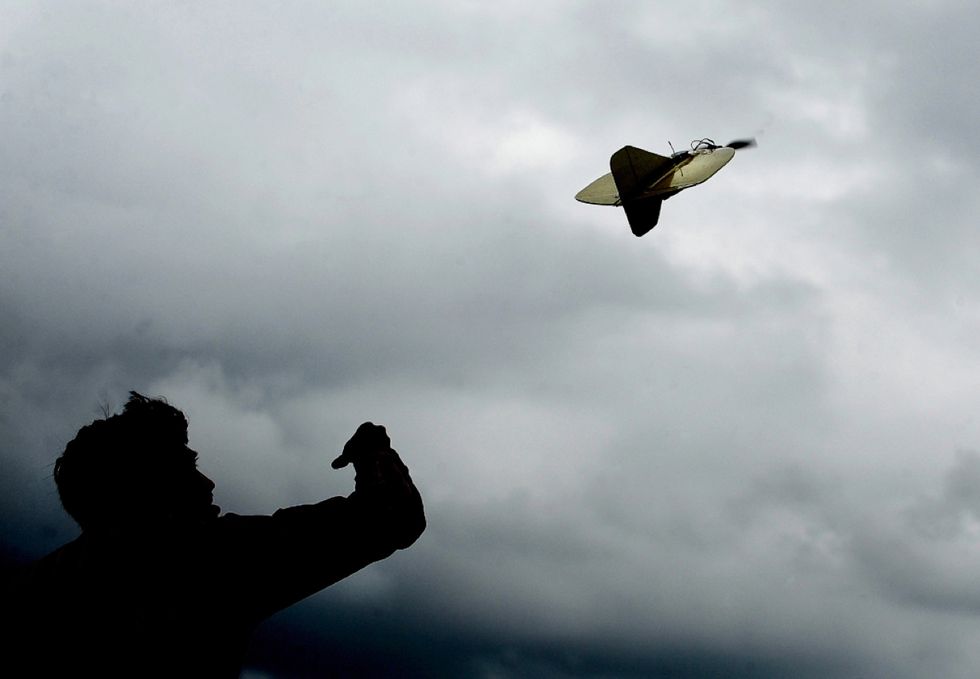
A researcher from India’s National Aerospace Laboratories, in Bangalore, launches a micro air vehicle prototype. The remotely operated drone, which will soon go into commercial production, is one of three models, each less than a meter across, that will be used for military reconnaissance as well as search-and-rescue support at the scene of a natural disaster.
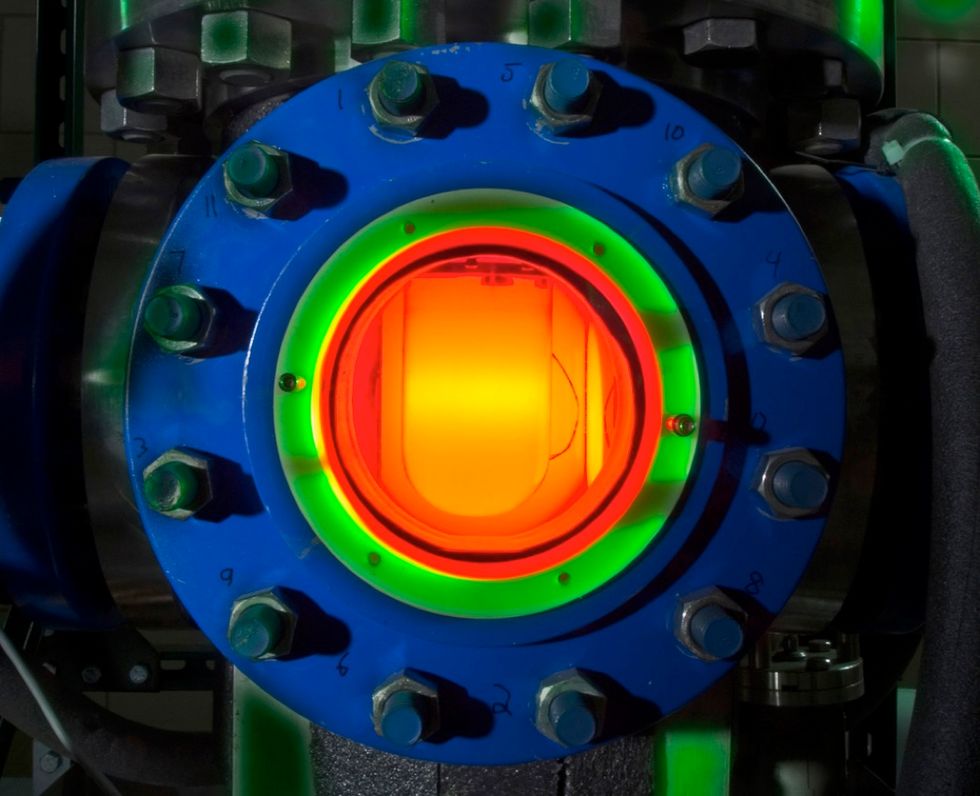
Scientists know precious little about dark matter—except for the fact that it makes up more than 80 percent of the matter in the universe. This brightly colored device is a “bubble chamber” radiation detector that researchers at the SNOLab near Sudbury, Ontario, Canada, hope will reveal dark matter’s backstory.
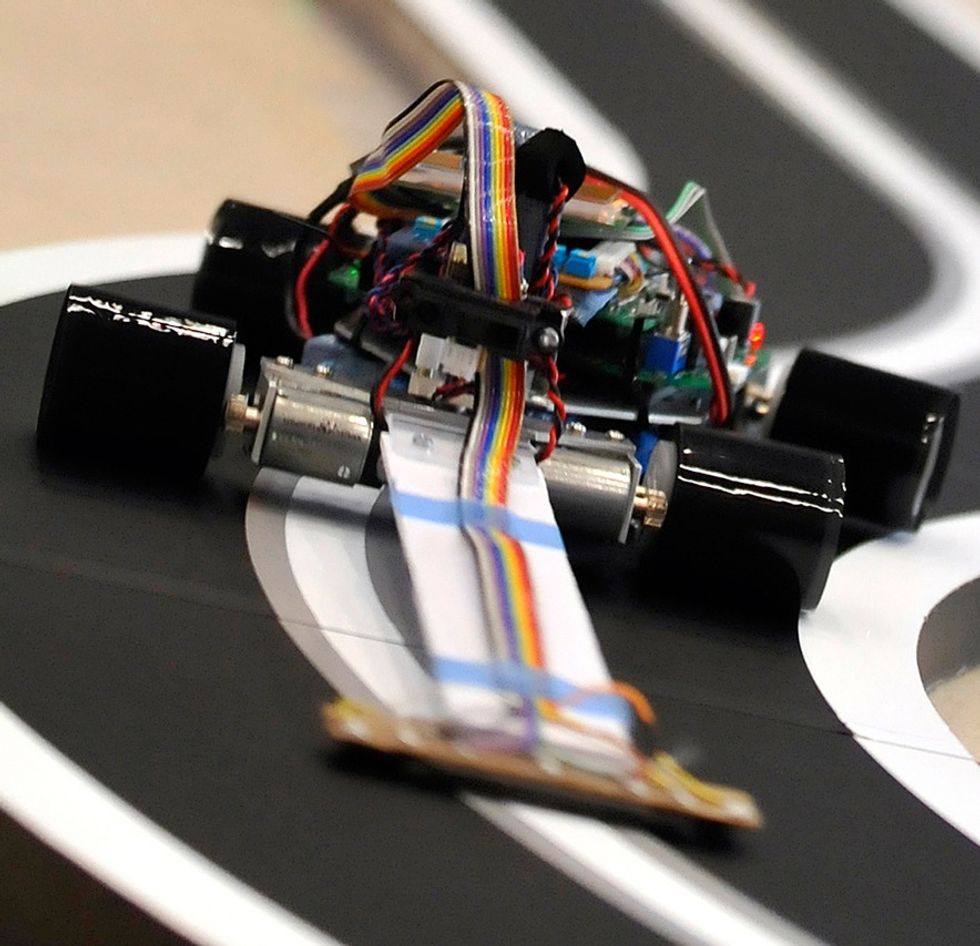
This is one of a hundred miniature microcontroller-powered cars designed from the wheels up by teams of Japanese technologists for the annual Micom Car Rally. An optical reader keeps the car on the track by signaling the vehicle to maintain its position with respect to the tiny roadway’s centerline.
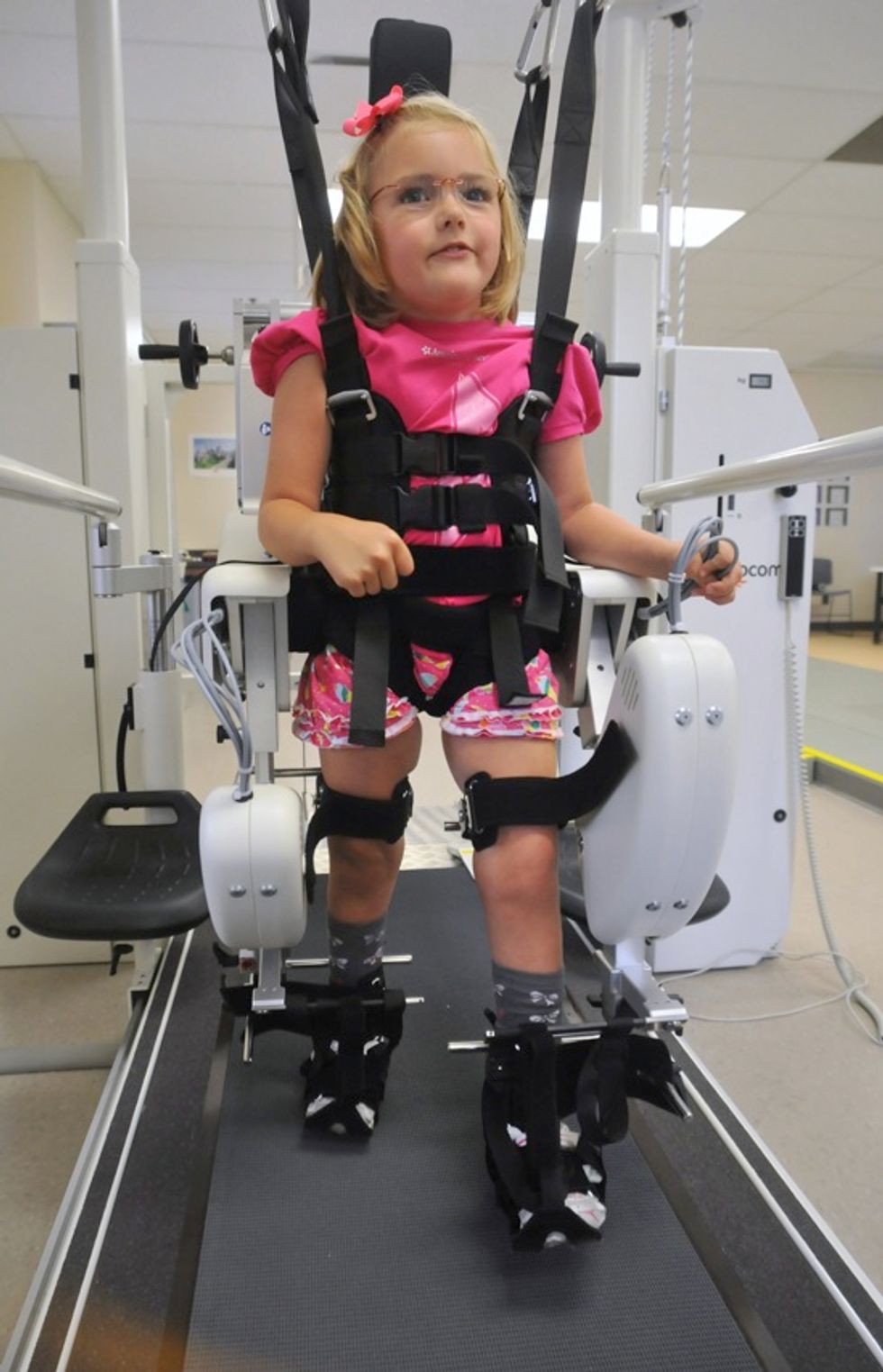
This contraption, known as the Hocoma Lokomat, is teaching the little girl to walk. Rehabilitation specialists at the Riley Hospital for Children, in Indianapolis, use it to help kids with such conditions as cerebral palsy improve their motor coordination.
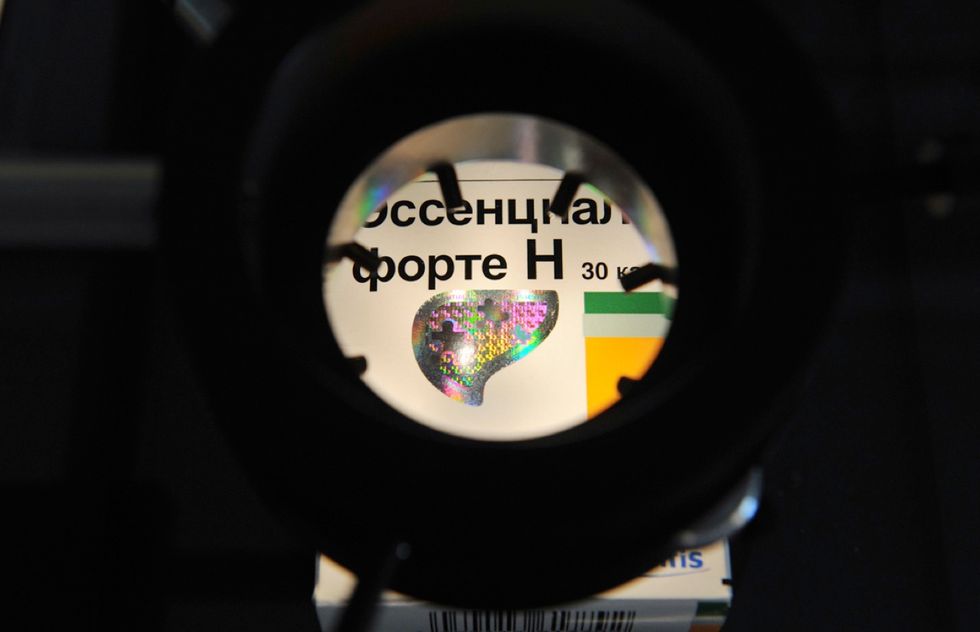
Knockoff watches and handbags hurt designers’ bottom lines, but counterfeit medicine could be deadly. To thwart bootleggers, French pharmaceutical maker Sanofi-Aventis has begun putting microscopic holograms that are difficult to fake on its packaging.
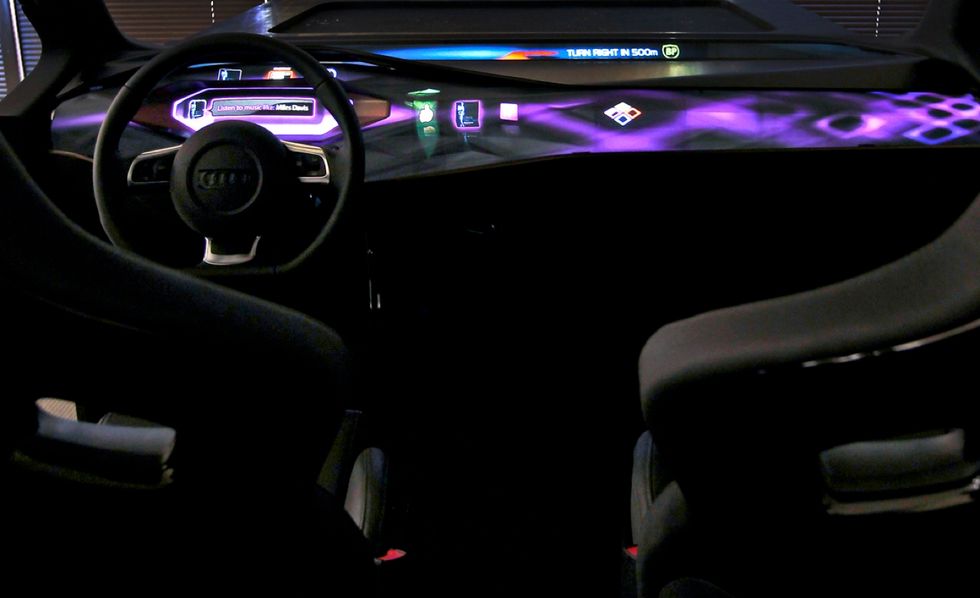
Automotive designers know that drivers have different preferences about the location of instrument gauges and control panels for electronics. Engineers at Volkswagen’s Electronics Research Laboratory in Palo Alto, Calif., have responded with a prototype digital dashboard that lets users personalize the position and appearance of readouts.
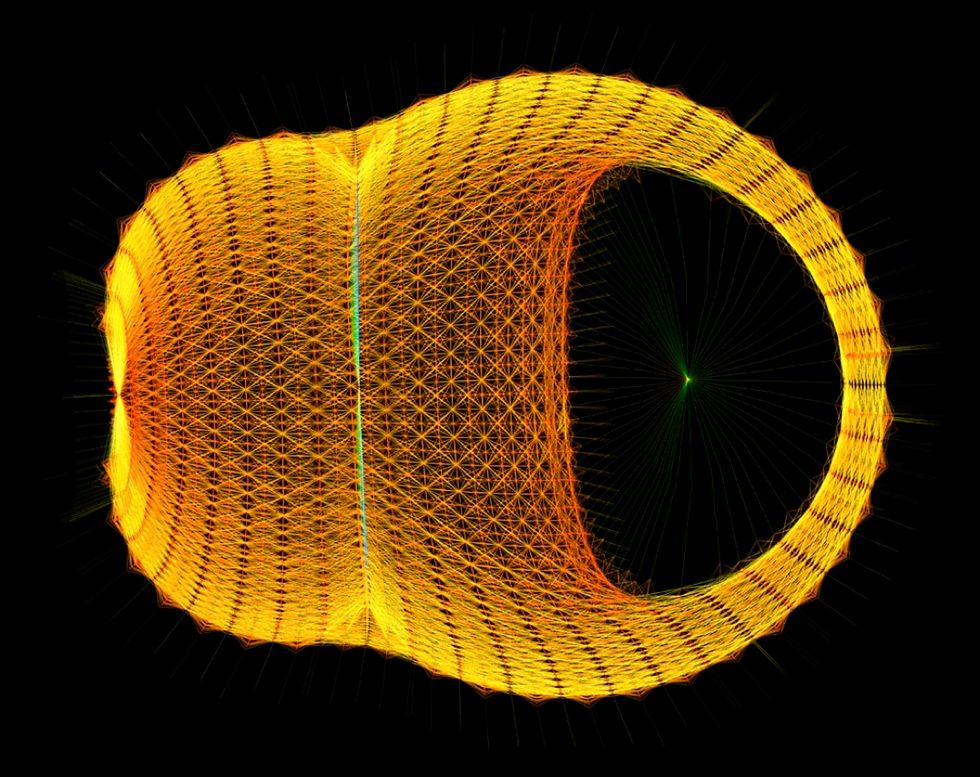
You’re looking at the solution to a computational fluid dynamics problem. The image demonstrates the importance of something called a sparse matrix, a list of numbers that contains far more zeros than nonzero values. This sparsity allows for a type of data compression that lets engineers working on a simulation store the data without taking up too big a chunk of memory.
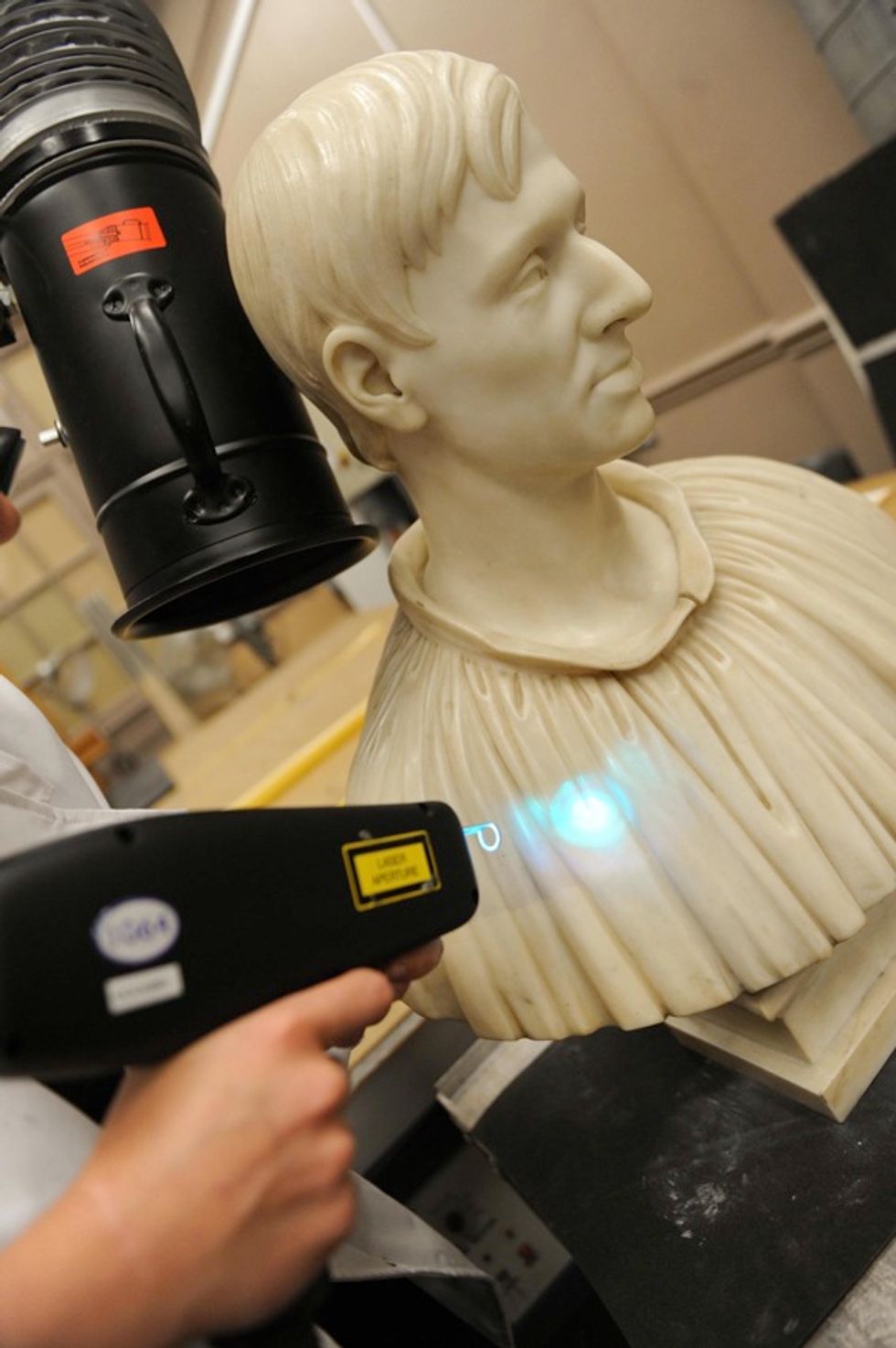
Cleaning and restoring ancient art is usually a painstaking process. Now the caretakers of delicate, aging treasures can rid them of grime without laying a glove (or water or abrasives) on them. Laser guns like the one pictured vaporize a micrometers-thick layer of material, leaving a sculpture’s surfaces unharmed.
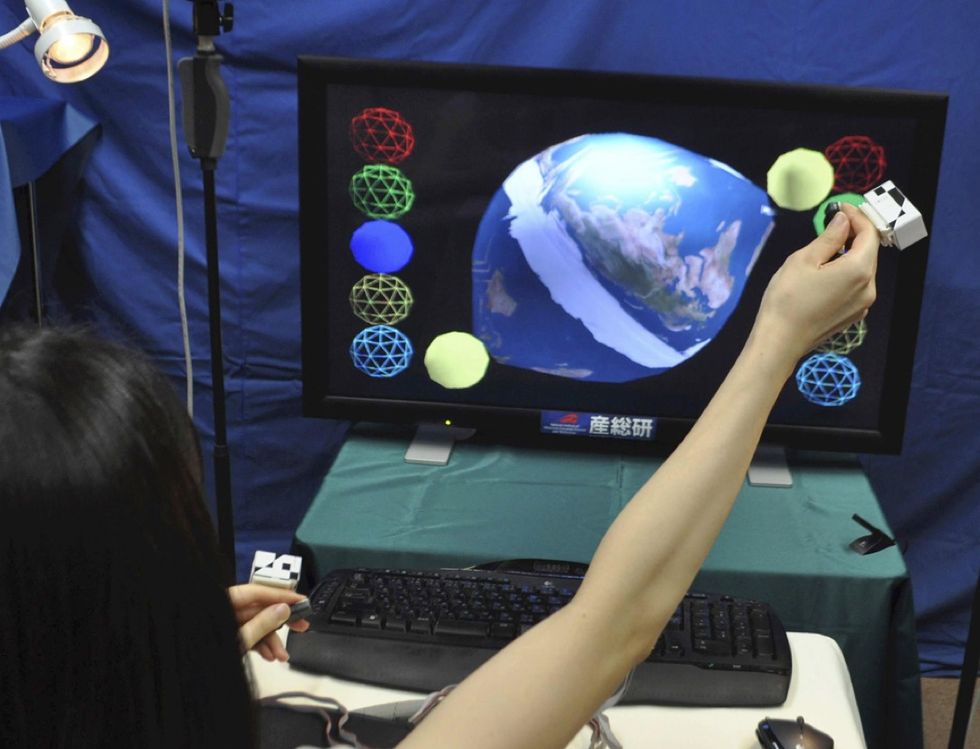
Japan’s National Institute of Advanced Industrial Science and Technology has developed an interactive 3-D TV. As the woman demonstrating the device touches the image of Earth projected in the air in front of her, the virtual globe deforms, as if it were a balloon being pulled at one end.
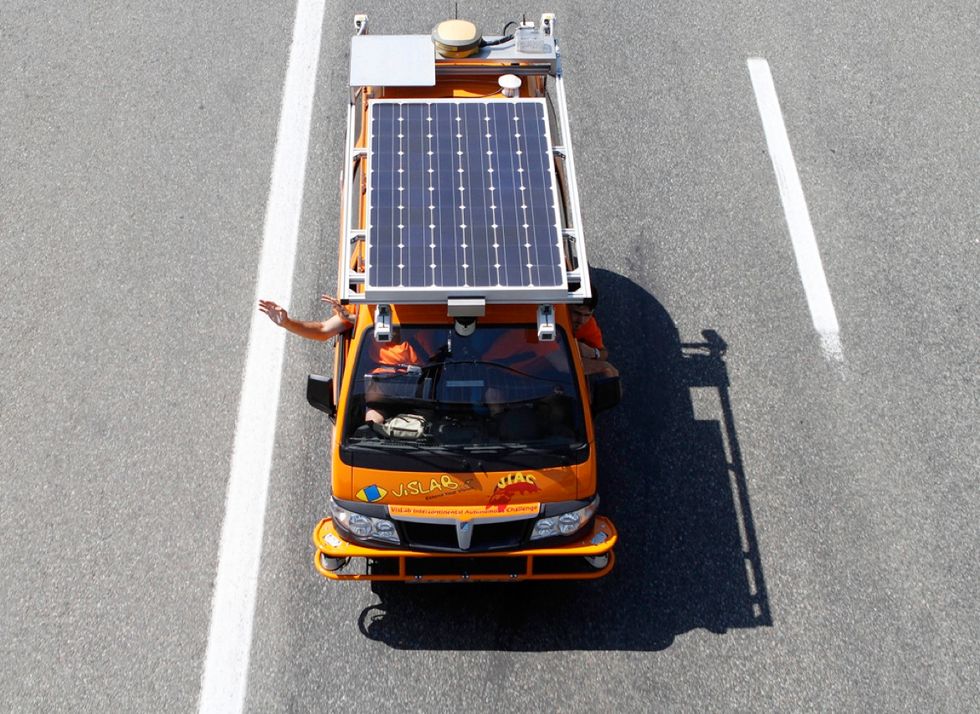
What this solar-powered truck lacks in beauty it more than makes up for in brains. The electric Piaggio Porter can drive itself. Notice its human occupants, researchers at Parma University’s VisLab, in Italy, with their arms outside the windows as the vehicle makes part of a 13 000-kilometer dash from Milan to Shanghai.
If you are viewing this page with an iPad or iPhone, click here to launch the slideshow:
http://spectrum.ieee.org/ns/slideshows/09W_SlideS_iCandy2010_iPad/index.html
Comments