iCandy: Remote Access
Power and control, untethered
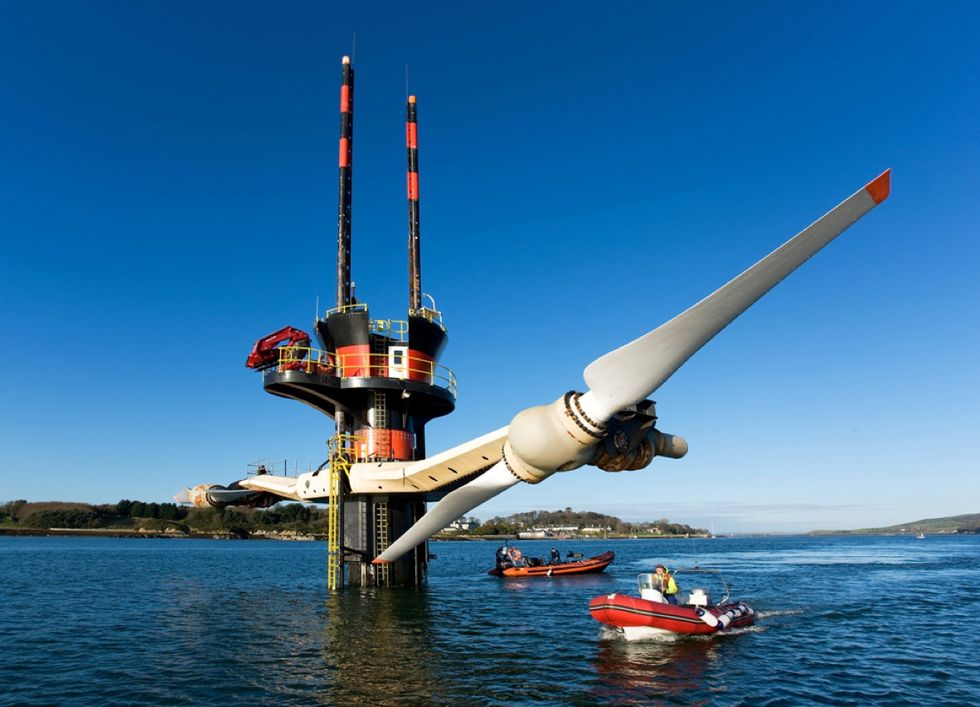
These giant rotors, capable of generating 1.2 megawatts of electricity, won’t mar the view of the Irish Sea where they are moored. The renewable energy generator, produced by Siemens, will be buried underwater and take advantage of the strong ebb and flood tides.
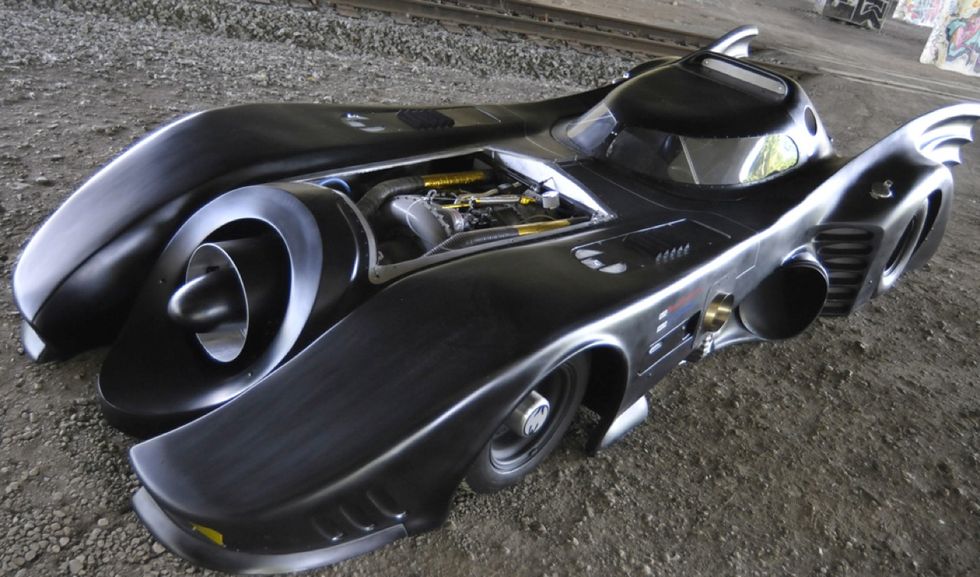
This full-size, street-legal replica of the Batmobile from the 1989 movie starring Michael Keaton was built singlehandedly by Casey Putsch, an aspiring IndyCar driver. The car, which has a top speed of 290 kilometers per hour, is powered by a military-surplus turbine engine taken from a U.S. Navy drone helicopter.
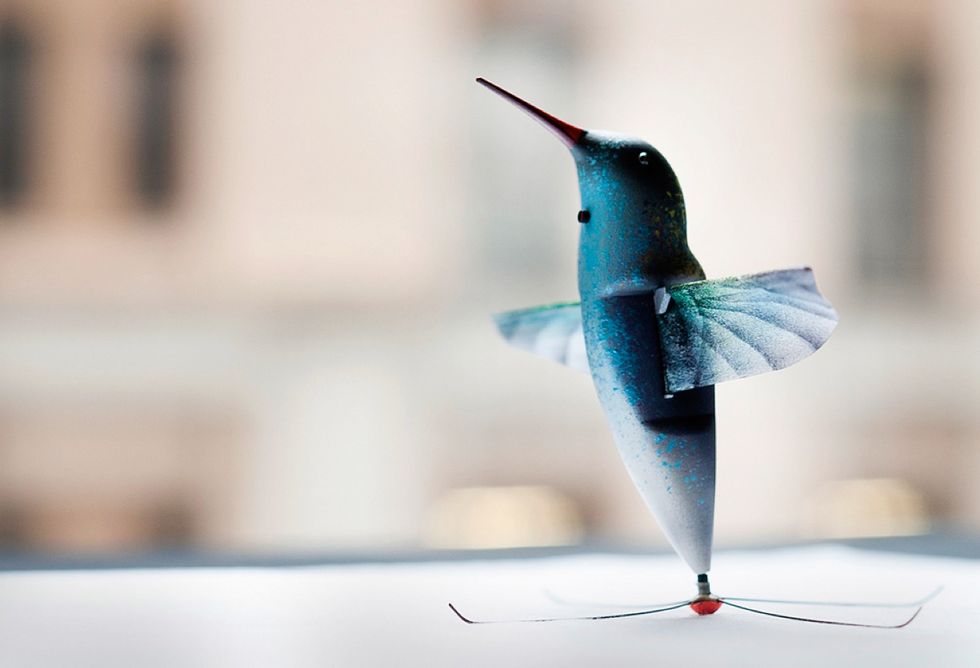
Maybe that pigeon in the park was watching you. AeroVironment, which is known for making highly efficient electric vehicles, is now developing airborne surveillance devices like this hummingbird drone. The lifelike electronic bird was created as part of a U.S. Defense Department project aimed at stealthily surveying urban environments.
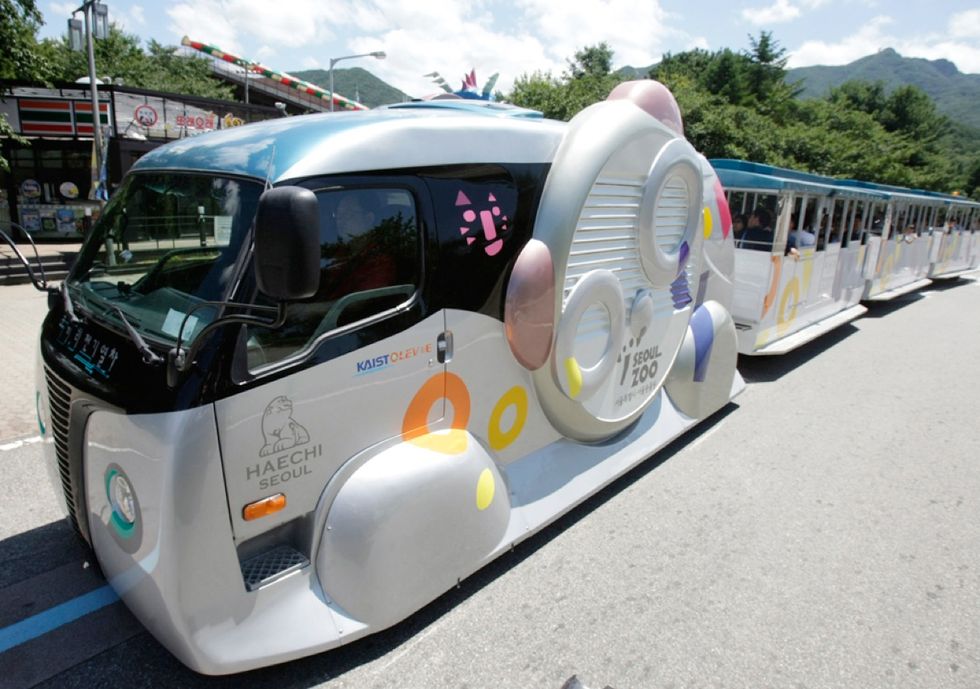
This online electric vehicle, or OLEV, produced by the Korea Advanced Institute of Science and Technology made its debut in July at the Seoul Grand Park in Gwacheon, South Korea. The locomotive, which tows three passenger cars, uses electromagnetic induction to get energy from a blue charging strip in the center of the roadway.
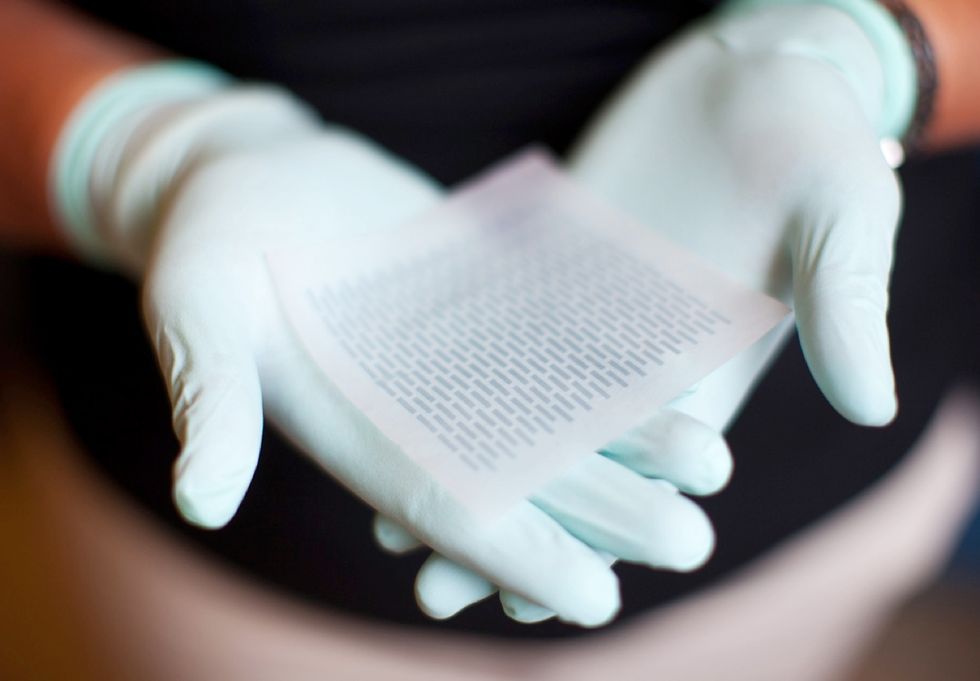
This sheet of paper can be folded and stuck in your pocket like any other. But it’s covered with solar cells that still work after being folded or rolled up thousands of times. The technique for printing the solar cells on paper, developed by MIT researchers, may someday turn shirts into solar panels.
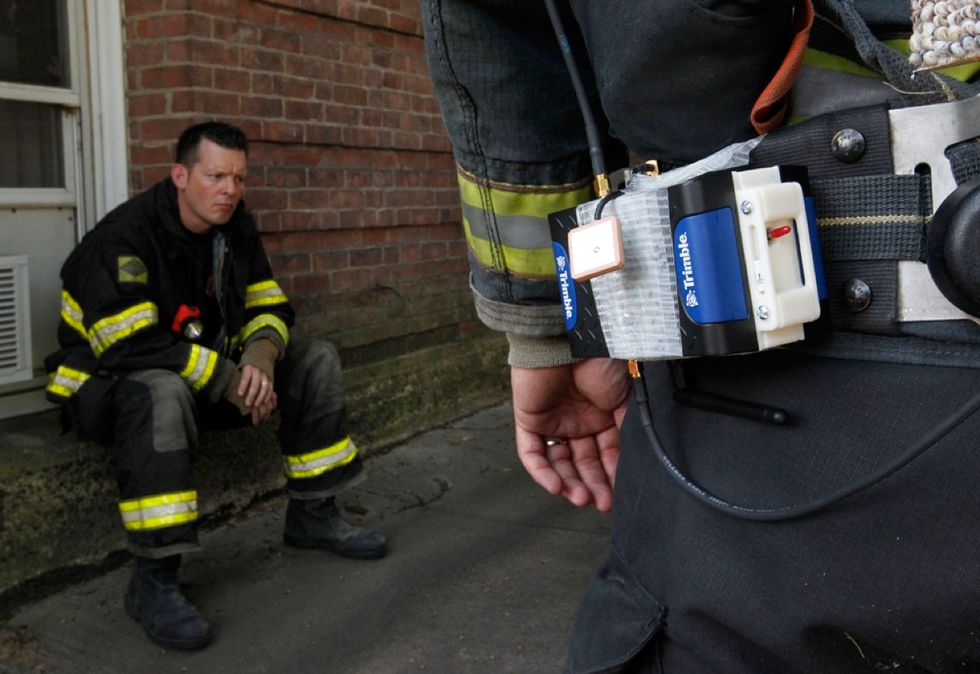
The Worcester, Mass., firefighter in the foreground is shown wearing a personal tracking device from Trimble Navigation of Sunnyvale, Calif., during a simulated rescue exercise. The device, which is not commercially available, would allow a commander on the scene to pinpoint the exact location of a first responder who is injured or trapped inside a smoke-filled building.
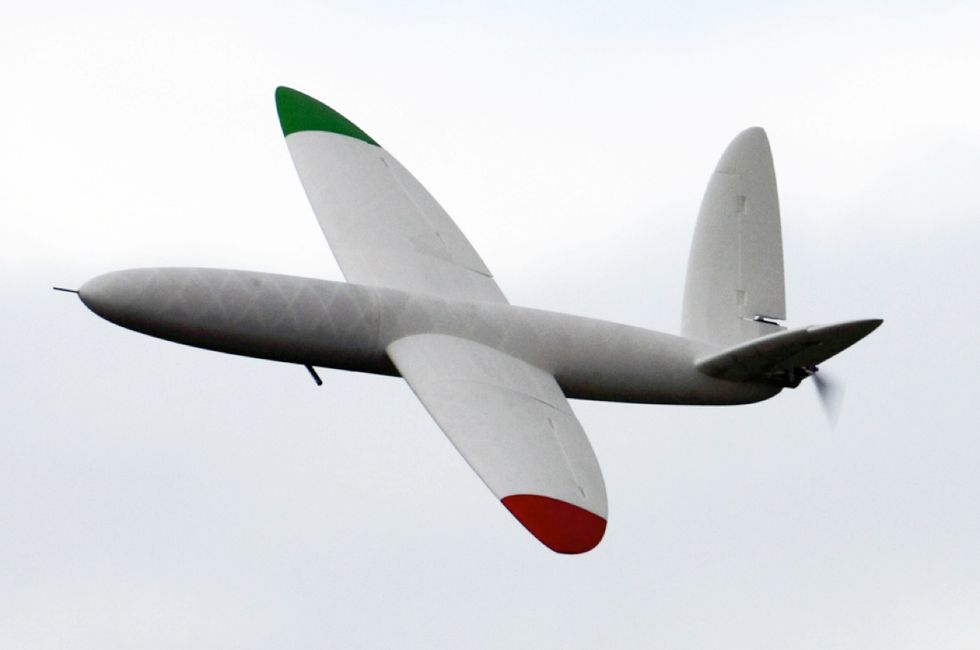
If this plane crashes, its creators at the University of Southampton, in England, can just print out another one. Every bit of the unmanned aerial vehicle was printed on a nylon laser sintering machine—a 3-D printer that creates plastic or metal objects by building them up layer by layer.
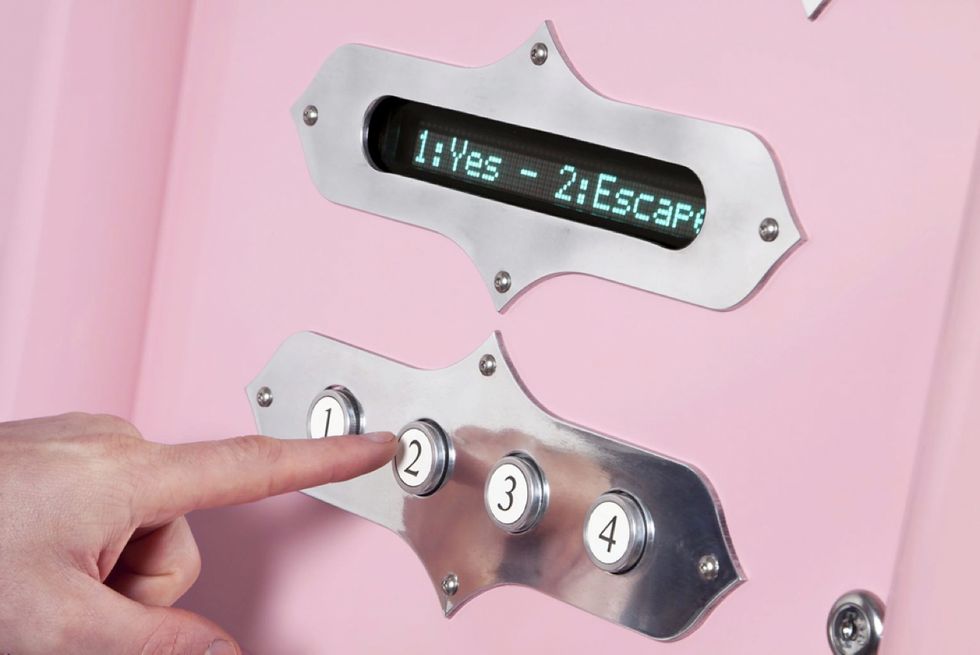
For US $1, the AutoWed vending machine will play Mendelssohn’s “Wedding March,” officiate with a robotic voice, and allow you to press a button for “I do” (or another to “Escape”). The happy couple gets an unofficial marriage receipt, two plastic wedding rings, and a voucher for 10 percent off the cost of an AutoDivorce.
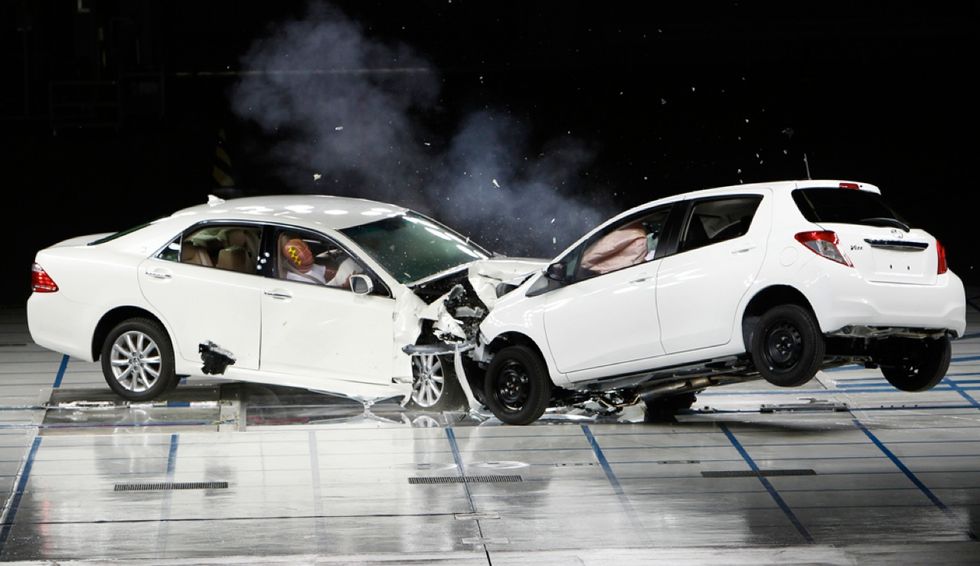
This staged collision at a Toyota facility in Susono, Japan, demonstrates what the automaker hopes to avoid. The company has developed a system that uses a suite of sensors, including cameras and millimeter wave radar, to automatically steer and apply the brakes to avoid a crash. The technology has yet to be included on a production vehicle.
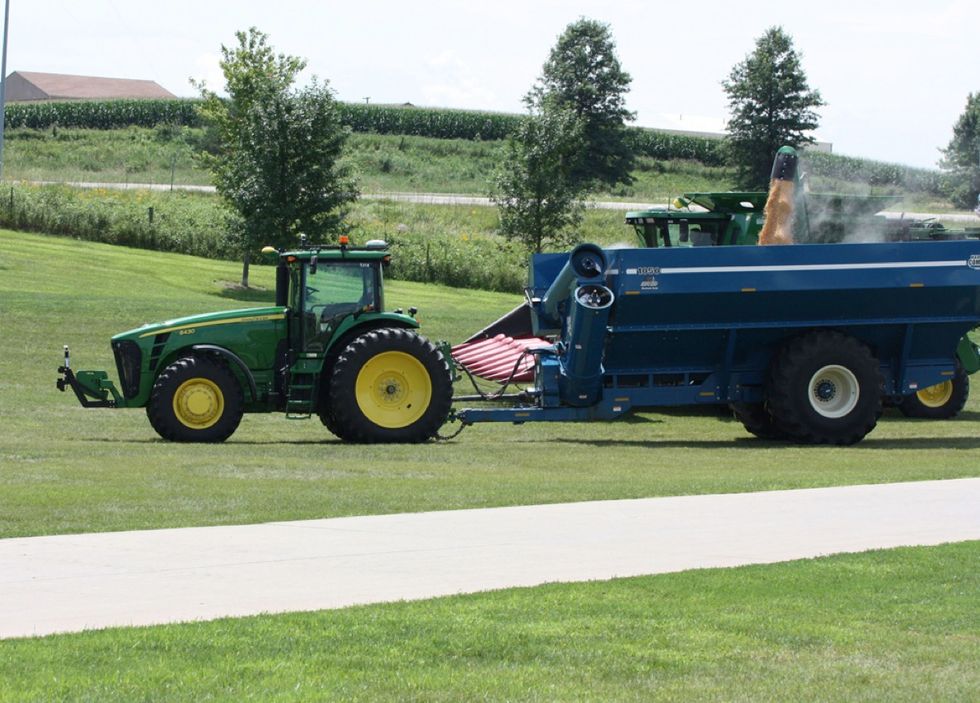
Technology has made running a farm ever more efficient and far less labor intensive. The backbreaking work of sowing, reaping, threshing, and winnowing crops is mostly done by machines. But these tools have required a farmer to steer them—until now. Kinze Manufacturing in Williamsburg, Iowa, has produced autonomous tractors and other equipment that sow and reap all by themselves.
If you are viewing this page with an iPad or iPhone, click here to launch the slideshow:
http://spectrum.ieee.org/ns/slideshows/08W_SlideS_iCandy2011_ipad1a/index.html
Comments