iCandy: Phoning It In
Smartphones are dialed into medicine, motion pictures, and motoring
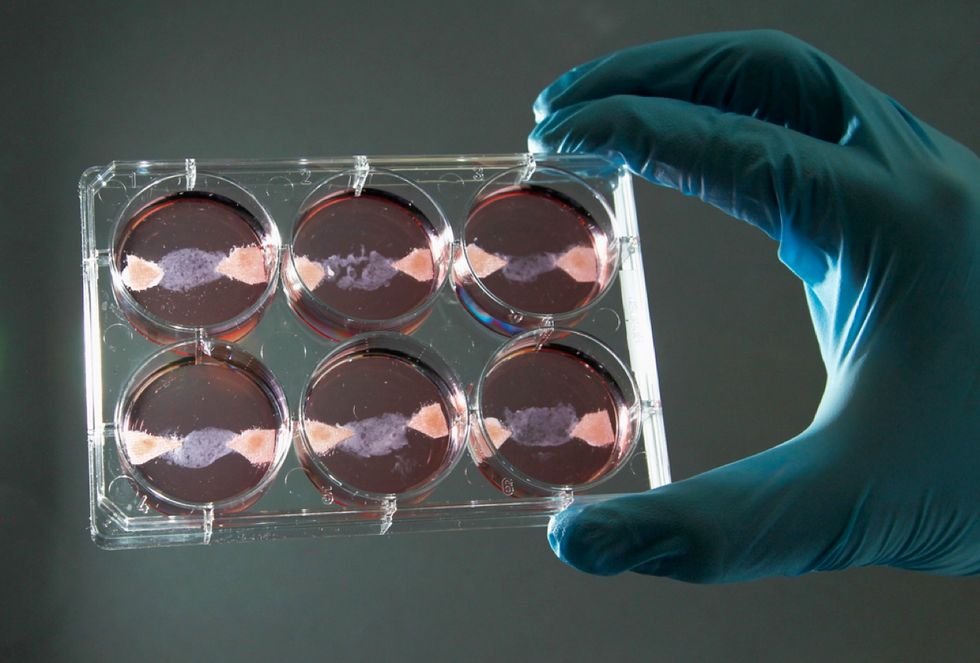
A researcher at the University of Maastricht in the Netherlands shows off strips of animal flesh grown in petri dishes. He hopes to produce an in vitro hamburger patty by next fall. The cultured meat begins as stem cells taken from real animals and is fed a mixture containing just the right amount of fat, protein, and carbs.
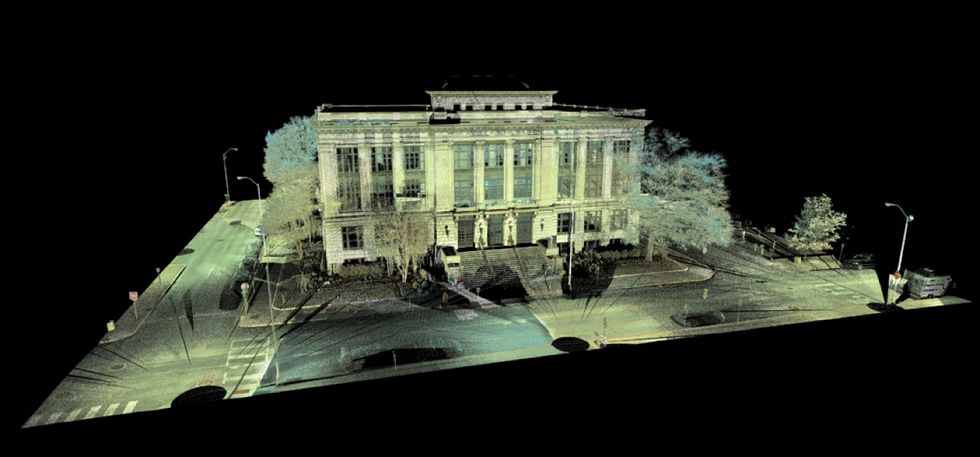
It’s impractical to take jurors to the scene of a crime. But soon technology will allow it to come to them. The Leica Geosystems Scan Station C10 uses cameras and lasers to capture the details of a crime scene and reproduce them as scaled down 3-D images. One of the two US $210 000 units purchased by the Chattanooga, Tenn., police department rendered this image of the town’s city hall.
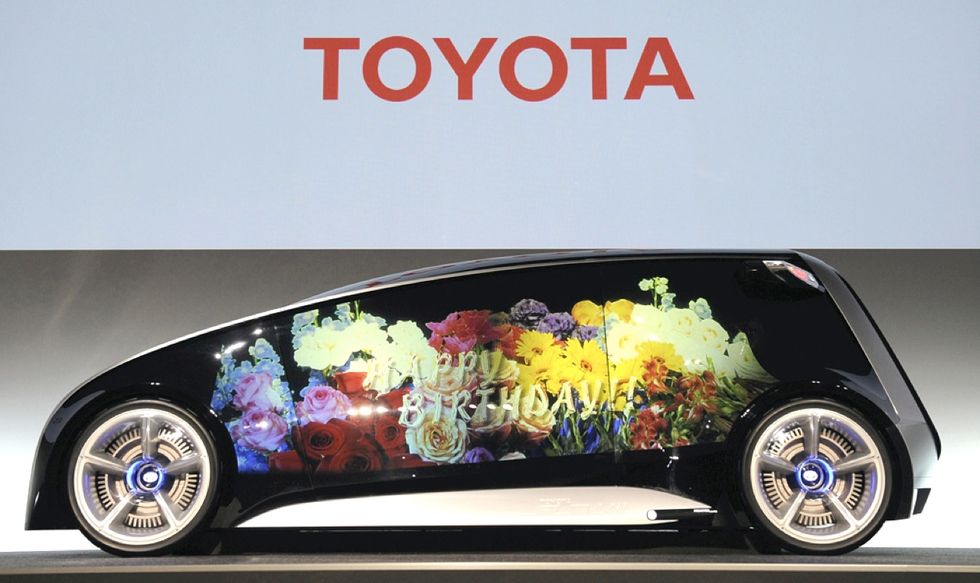
This concept car from Toyota, called the Fun-vii, is a huge rolling touchscreen smartphone. The vehicle, which made its debut earlier this month at the Tokyo Motor Show, is covered in interactive display panels that allow the driver to unlock the doors, communicate wirelessly, and display images downloaded via the car’s cellular connection.
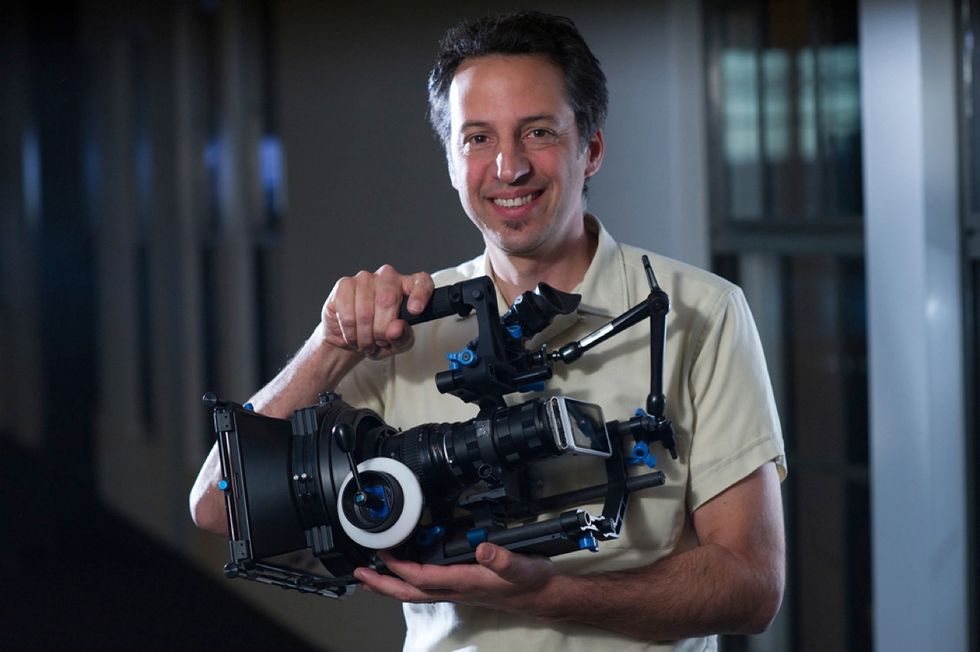
The business end of the movie camera this man is holding is a Nokia N8 smartphone. Patrick Gilles is one of the directors of the world’s first feature-length movie filmed entirely with a cellular handset. To make Olive, the just-released motion picture, he and his codirector hacked the smartphone to disable its camera’s zoom and autofocus so that they could control those functions manually.
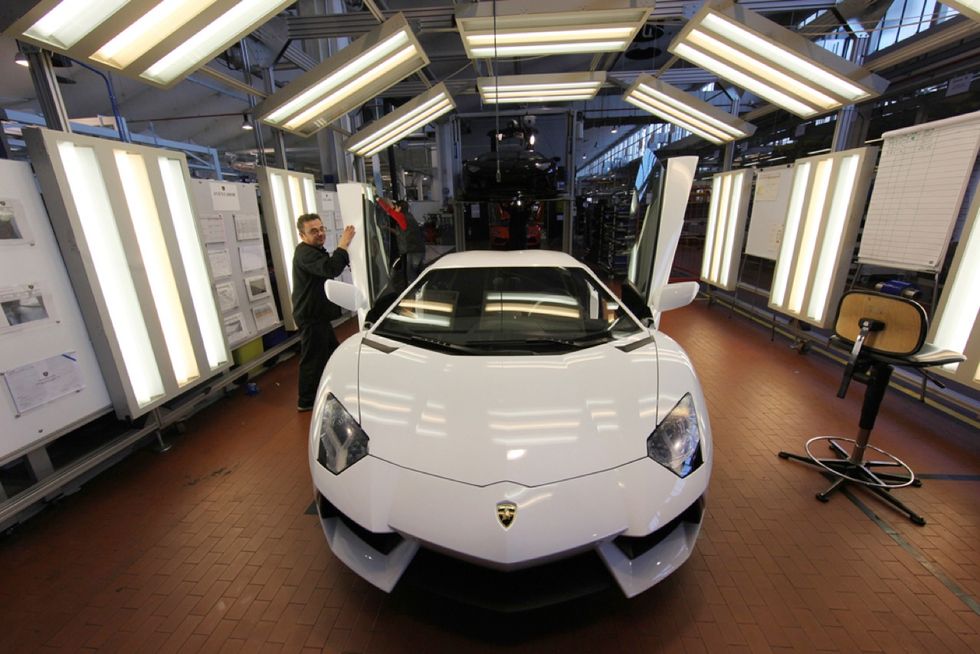
Final touches are being put on the newest Lamborghini at the automaker’s production line in Sant’Agata Bolognese, Italy. The Aventador model is one of the first cars whose bodies are made entirely from precision-molded carbon fiber composite panels. Switching from metal to carbon fiber shaved off enough weight to let the sports car go from 0 to 100 kilometers per hour in just 2.9 seconds.
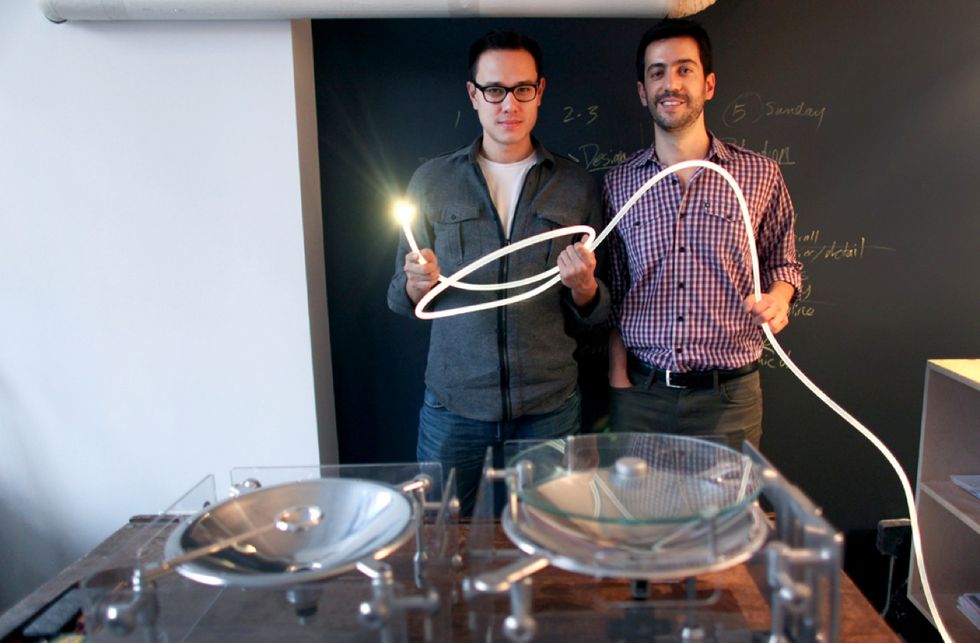
These men are on a quest to turn a subterranean cavern beneath New York City’s Delancey Street into a sunlit green space. They’re using technology in the form of fiber-optic cable that will channel the sun’s rays from remote skylights to the spot where they plan to create an underground park.
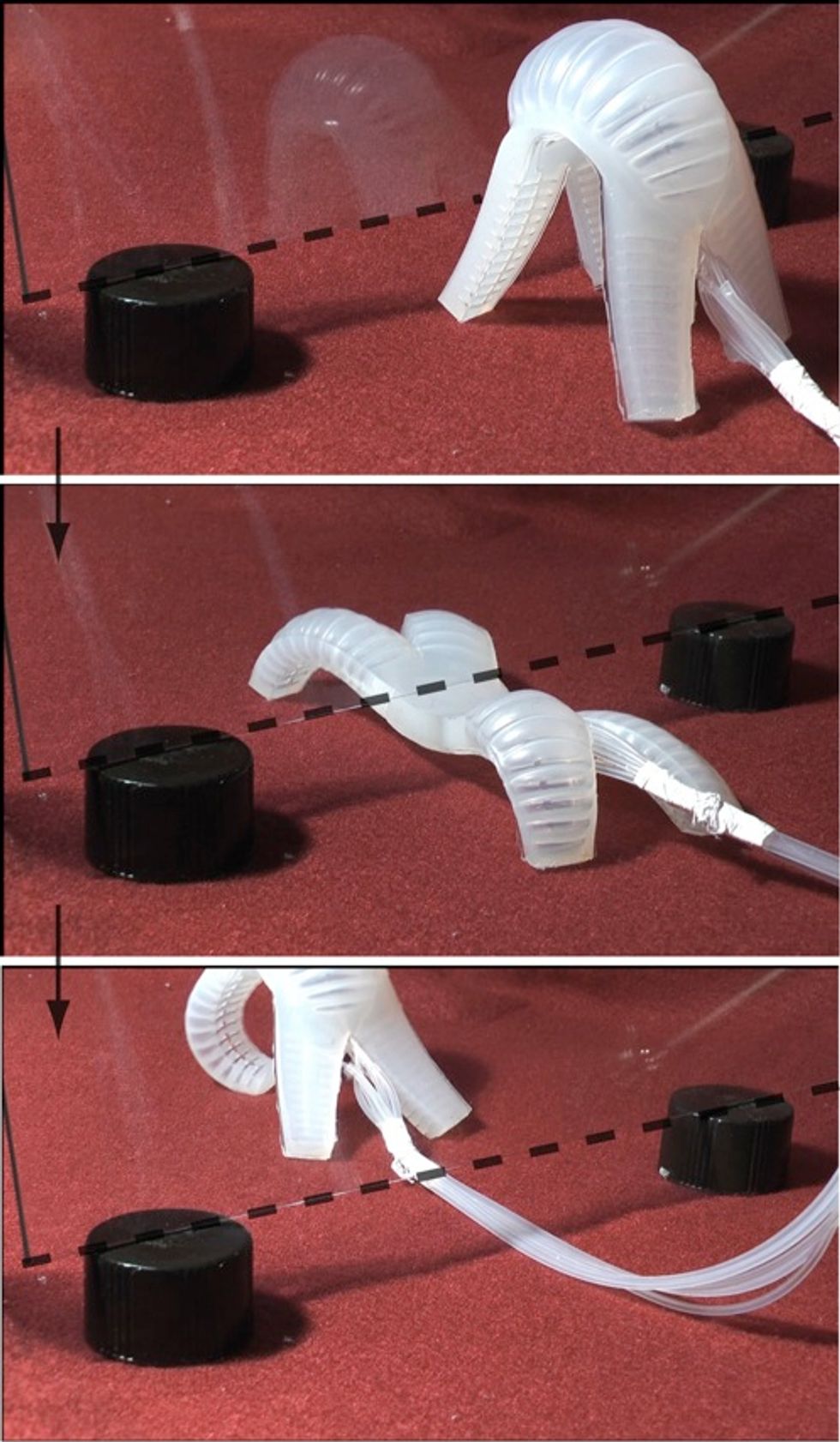
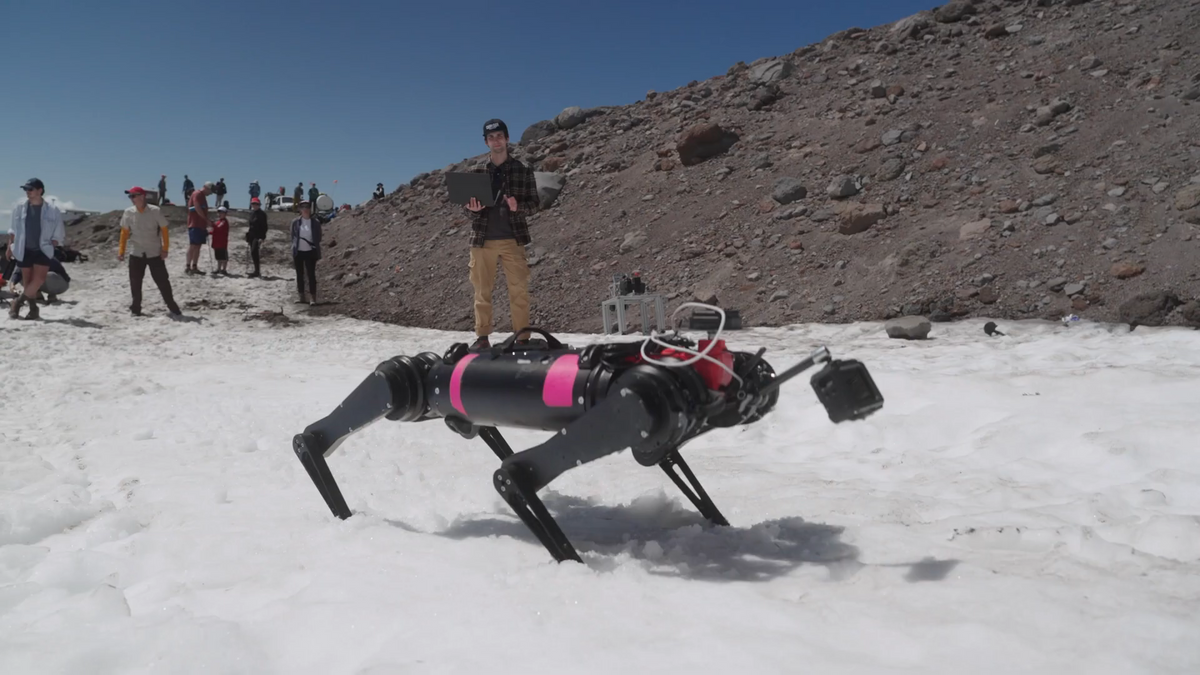
What good is a search-and-rescue robot if it can’t overcome obstacles to reach survivors? This series of photos shows a robot created by researchers at Harvard University contorting its soft body to get under a barrier that would prevent a similarly shaped rigid robot from proceeding.
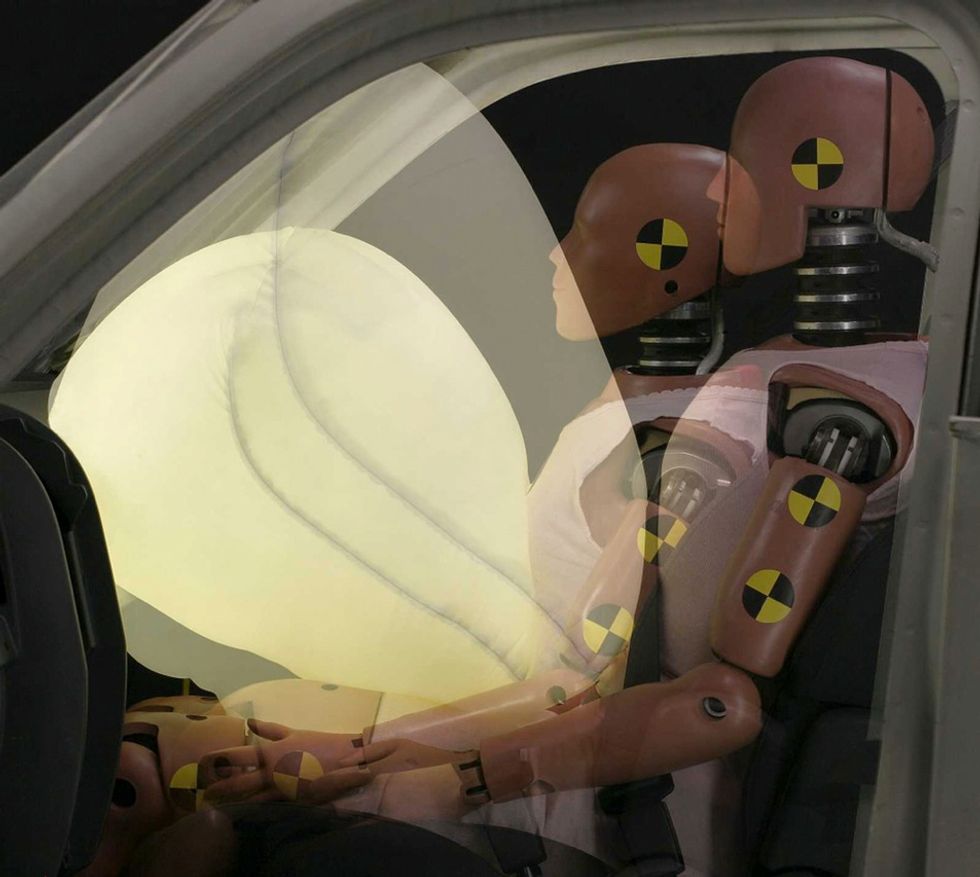
TRW Automotive has introduced new and improved air bags. Instead of the one-size-fits-all approach that has been shown to be unsafe for children and small adults, the new air bags take the passenger’s size, the car’s speed, and the force of the crash into consideration when calculating how rapidly to deploy, what shape they should take, and how stiff they should be when fully inflated.
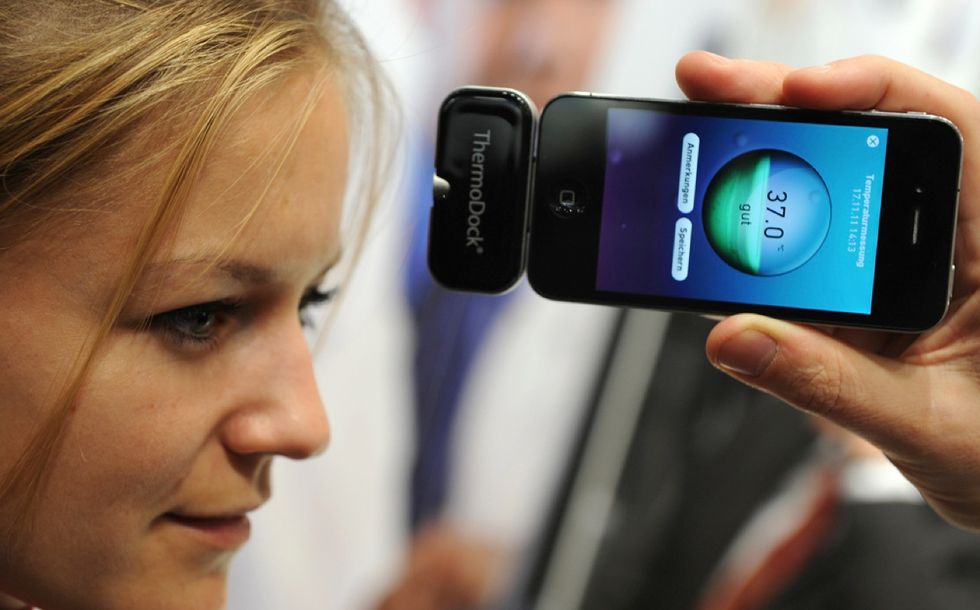
The iPhone as a medical device? Just add a small attachment and the handset becomes a noncontact thermometer. The iPhone add-on was one of dozens of gadgets exhibited at the Medica World Forum for Medicine in Düsseldorf, Germany, in November.
If you are viewing this page with an iPad or iPhone, click here to launch the slideshow:
http://spectrum.ieee.org/ns/slideshows/12W_SlideS_iCandy2011_ipad1a/index.html
Comments