iCandy: Data Saves the Day
Gadgets alert us to weapons, the weather, and our workouts
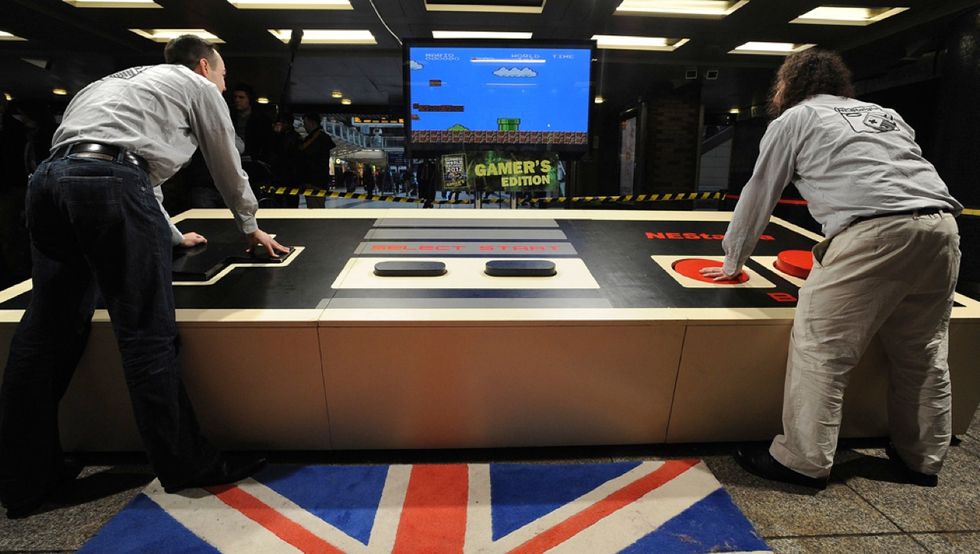
What’s wrong with this picture? Michel Verhulst and Ben Allen, two of the Delft University of Technology students who created this 30:1 replica of a Nintendo Entertainment System controller, are playing a game on a display that seems tiny by comparison. The world’s largest video-game controller, made to celebrate the release of the Guinness World Records 2012 Gamer’s Edition, cost them US $6000 to build.
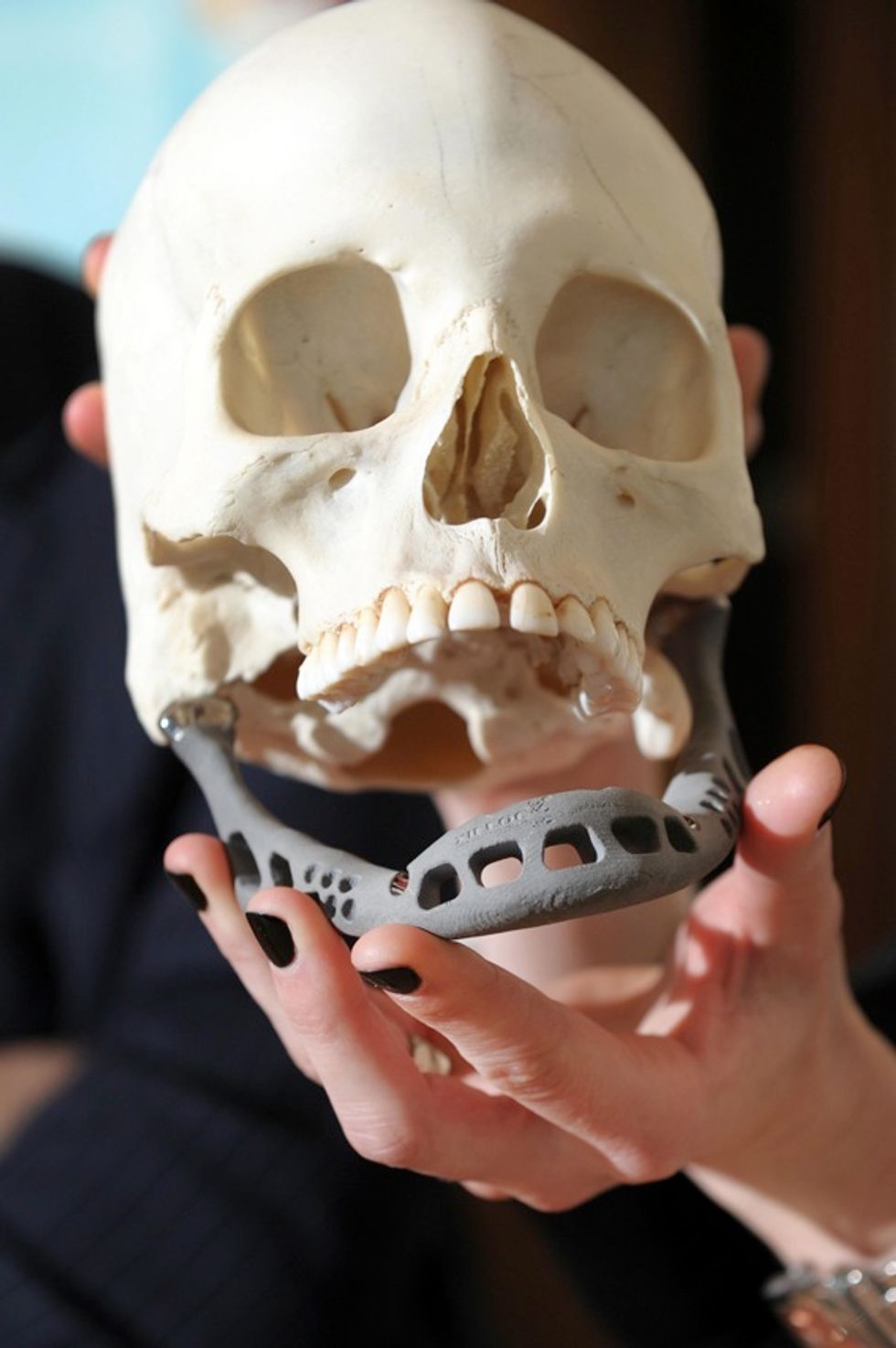
A researcher at Maastricht University in the Netherlands shows off an artificial jaw that was subsequently implanted in a woman who had lost hers to a serious infection. The titanium bone replacement, which was made by a 3-D printer, allowed the woman to speak and eat within hours of the surgery.
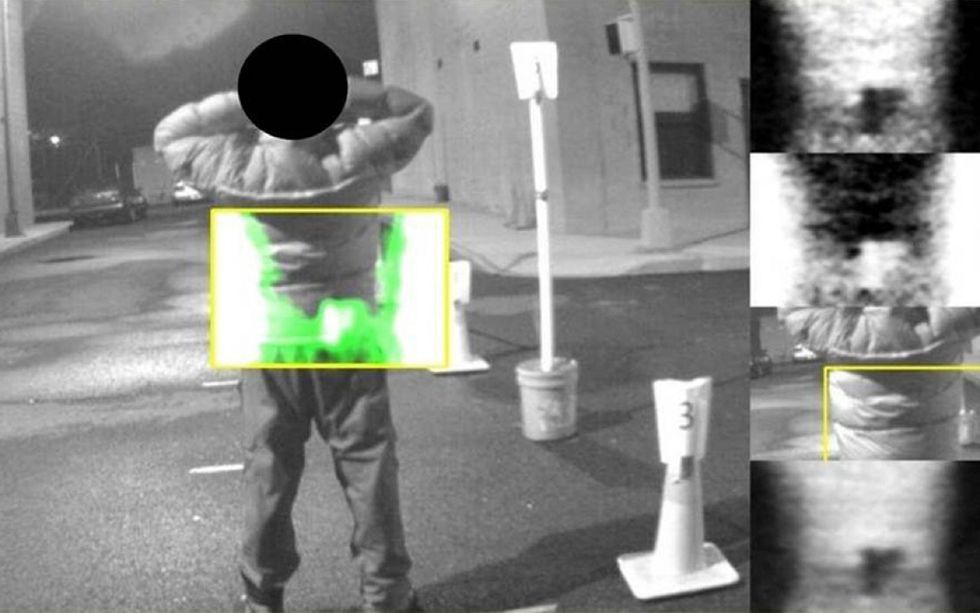
This image highlights the ability of a terahertz radiation sensor to detect metal concealed on the body. The New York City Police Department and the U.S. Department of Defense, which are jointly developing the device, hope that it will someday sense a hidden handgun from as far away as 24 meters.
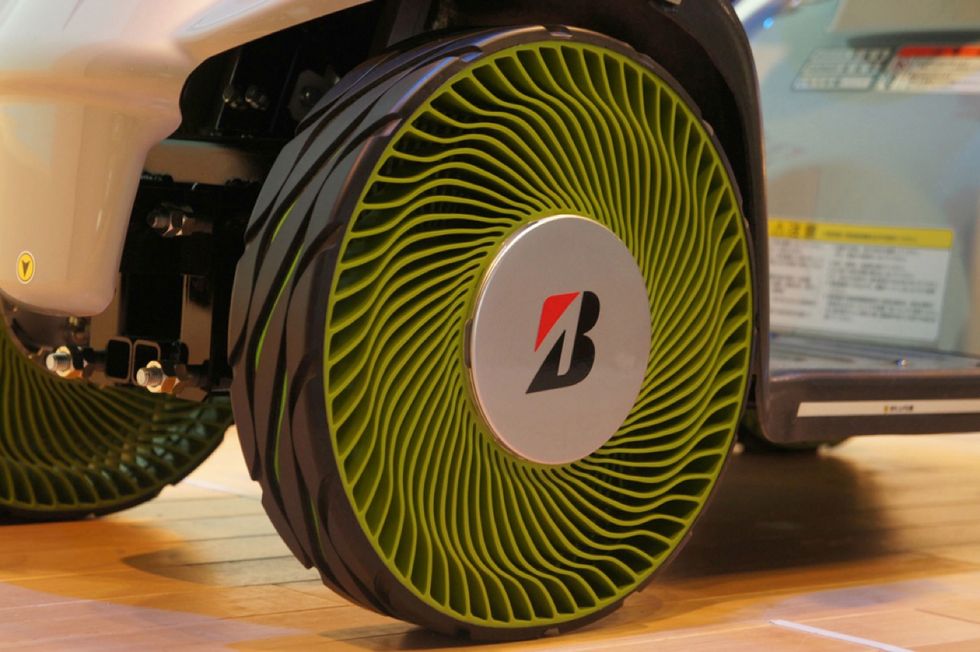
Someday, people will look at car jacks and lug wrenches the same way today’s kids look at phone booths. Bridgestone Corp., the world’s largest tire maker, is developing a tire that never goes flat because it isn’t filled with air. A spiraling mesh of spokes made from a recyclable plastic resin keeps the airless tire from collapsing.
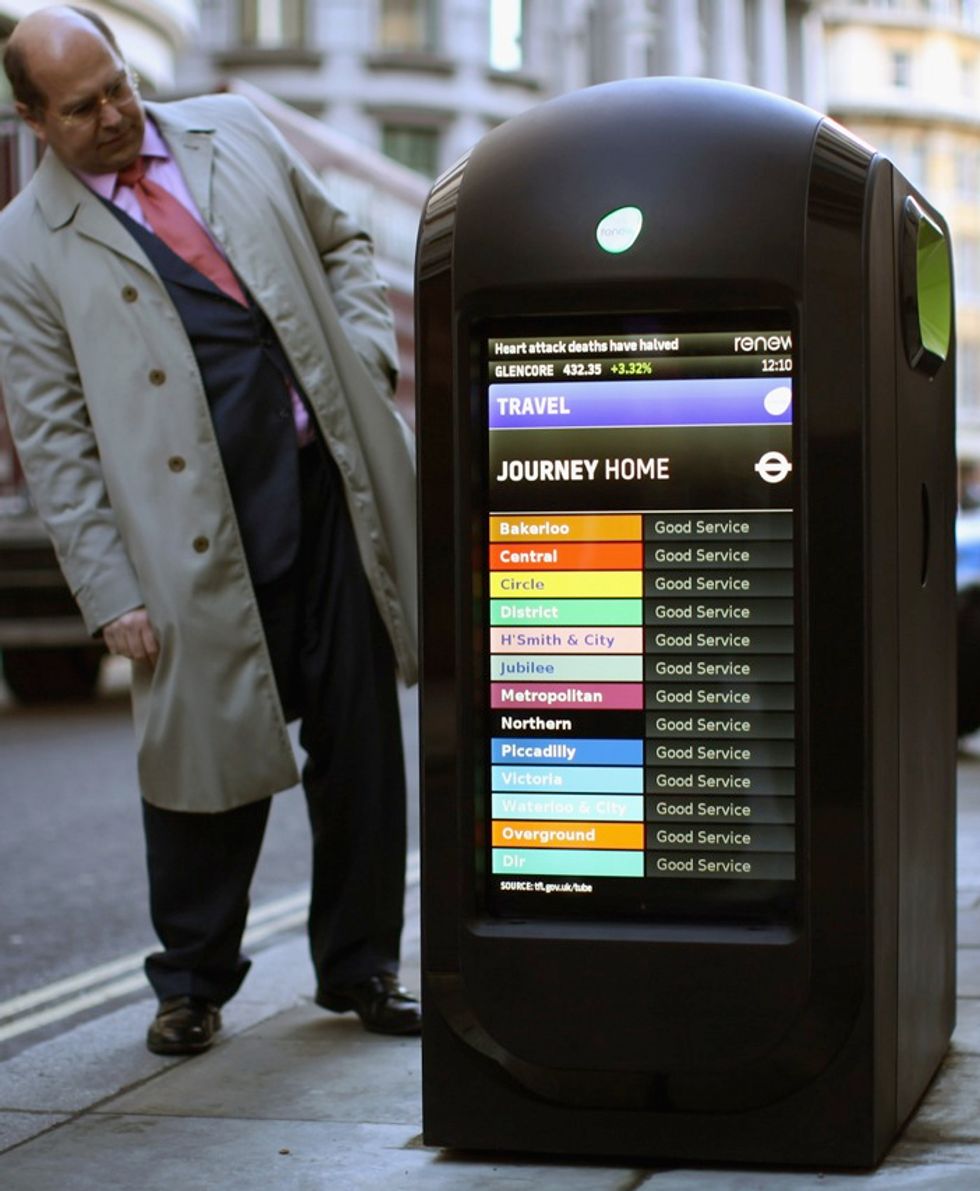
The U.K. media company Renew has installed 25 of these contraptions, which double as recycling bins and information kiosks, on the streets of London. It plans to add 50 more Renew pods—which broadcast news, weather, and travel information from 6 a.m. to midnight on days when the financial markets are open—by the time the Summer Olympics commences later this year.
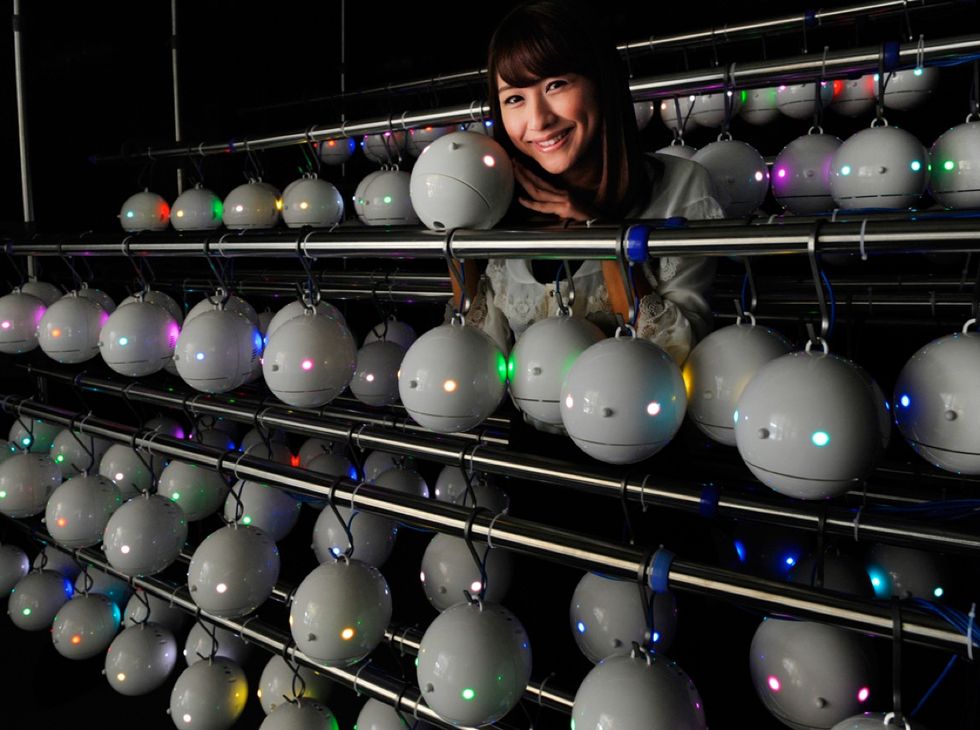
To gather weather data, Japanese company Weathernews is creating a massive network with hundreds of these electronics-studded white Styrofoam globes, known as pollen robots. The devices have LEDs that glow different colors to alert passersby about pollen levels in the air. They also send the pollen data, plus temperature, humidity, and air pressure readings, to meteorologists via the Internet.
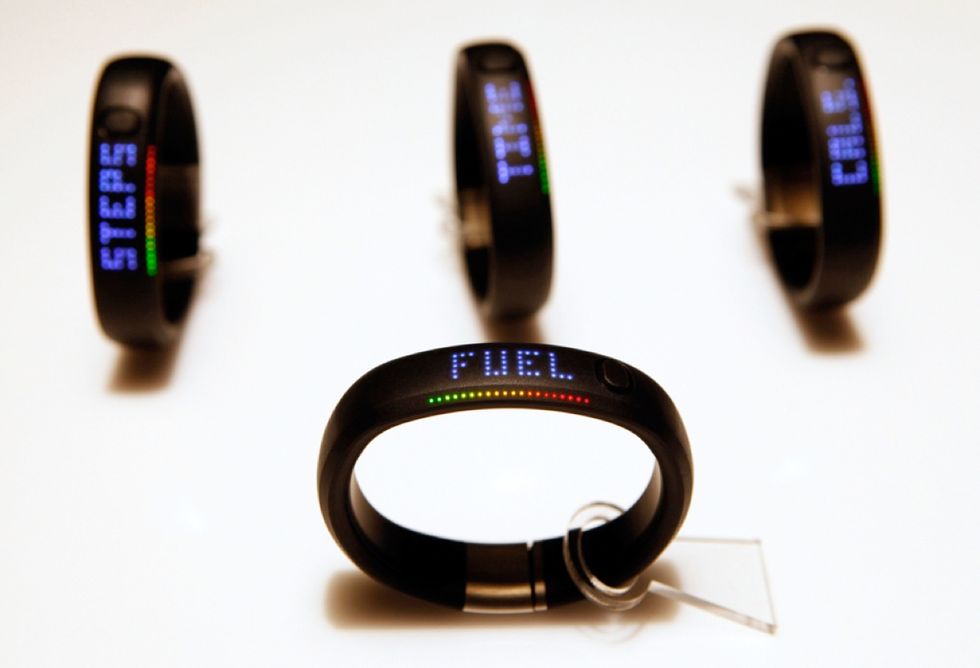
Nike+ FuelBands are electronic wristbands that keep users apprised of how they’re faring in their attempts to “just do it.” The wristband lets a wearer set a daily movement goal. An embedded accelerometer senses activity, and an array of LEDs reads out such data as steps taken or calories burned.
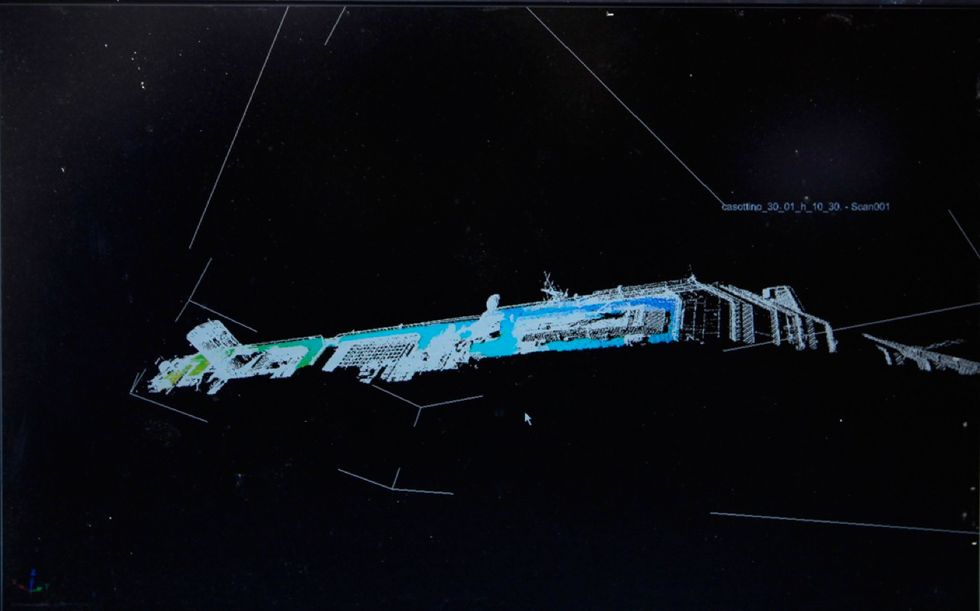
Italian authorities monitoring the cruise liner Costa Concordia are getting help from an unlikely source: geologists. This image is a digital map of the ship created by laser scanners and other devices normally used to capture data on volcanoes and landslides. The lasers, radars, and satellites trained on the ship are capable of sensing shifts as subtle as 1 millimeter a year.
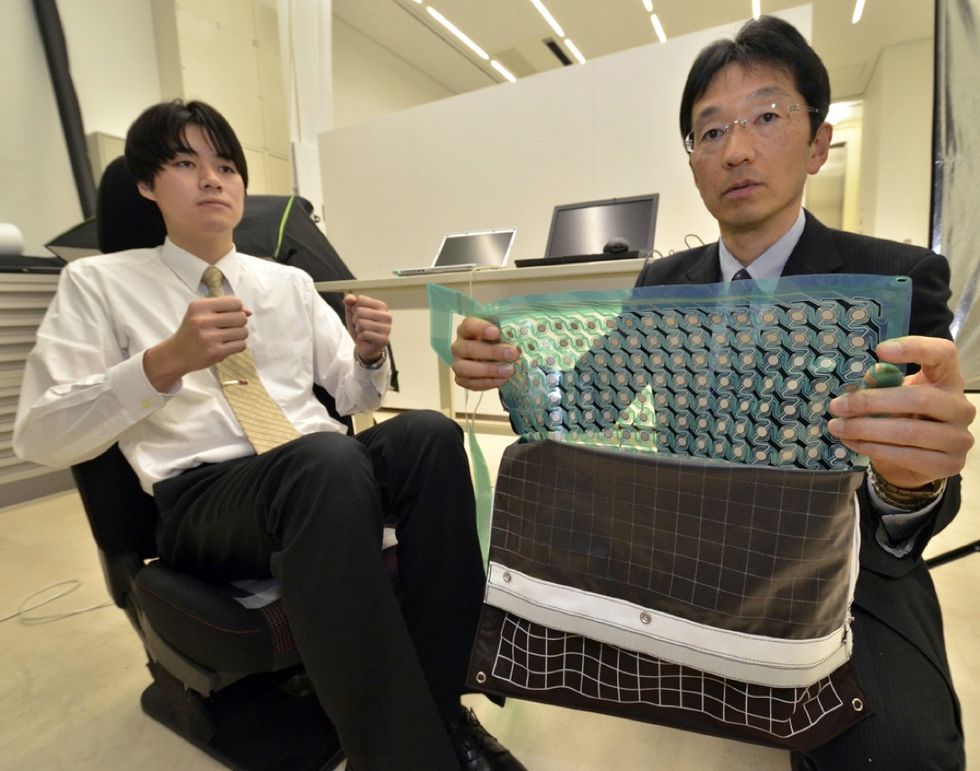
How can electronic devices tell us apart? There’s fingerprints, iris scans, and face recognition, to name a few. Now some researchers at the Advanced Institute of Industrial Technology, in Tokyo, say they’ve developed a flexible sheet of pressure sensors that can accurately identify a person by the imprint of his or her posterior on, say, the driver’s seat of a car.
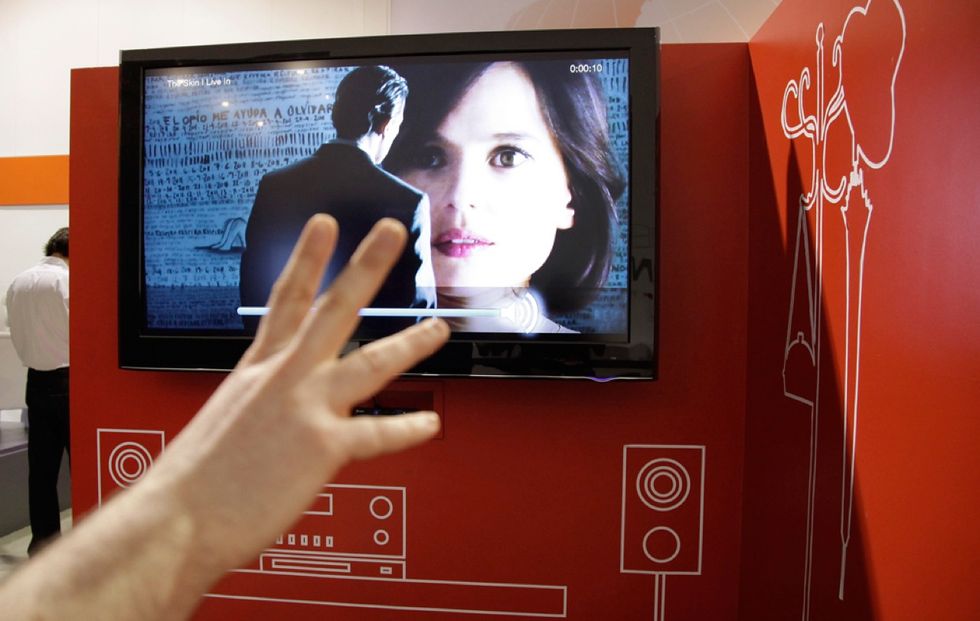
Your days of searching for the TV remote may soon be over. PrimeSense—the company behind the technology in Microsoft’s Kinect game controller—showed off a device at the Consumer Electronics Show in January that lets you change channels, adjust the volume, and flip through the program guide using hand gestures.
If you are viewing this page with an iPad or iPhone, click here to launch the slideshow:
http://spectrum.ieee.org/ns/slideshows/02W_SlideS_iCandy2012_ipad1a/index.html
Comments